
Britain's gas crisis is not yet over as demand continues to soar in times of a bitter cold spell.
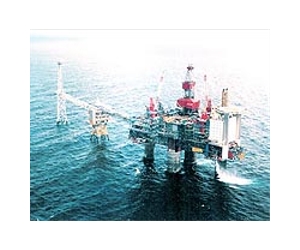
Facing one of the coldest winters ever, British consumers are hoping that the gas flow continues unabated. While the cold has been easing over the past days, energy giant BP Monday announced it would close down a North Sea gas pipeline for a week of maintenance, putting further pressure on the British grid after a pipeline pumping in crude from Norway was temporarily shut down last week.
Britain's demand for oil and gas is at an all-time high because of a continuing cold spell that has left most of the country in subfreezing temperatures for weeks.
The grid operator last week asked some 100 companies to switch to alternative heating fuels and cut off supply to dozens of large companies to protect resources for private households.
Environment Secretary Hilary Benn vowed that domestic customers had nothing to worry about.
"We've got plenty of supplies, the gas storage is about 70 percent full," he told GMTV.
The opposition has nevertheless warned of a major energy crisis because of Britain's limited gas storage capacities. The Tories have repeatedly attacked the government of Prime Minister Gordon Brown for what they say is a failure to modernize Britain's storage network.
Britain is able to store 4.5 billion cubic meters of gas, or around 5 percent of the country's annual consumption. France and Germany can store more than 20 percent of their demand.
Yet claims put forward by the opposition that Britain has only a few days of gas left are ignoring the role of imports and the North Sea, said Energy Secretary Ed Miliband.
While gas is still continuously flowing in from North Sea pipelines, and ships loaded with liquefied natural gas are arriving in Britain each day, London knows that it has to boost storage capacity.
"We need more gas storage and there are more projects being planned," he was quoted as saying by the BBC. Miliband added, however, "Playing politics with energy security and gas storage and alarming people is the wrong thing to do."
Meanwhile, the oil and gas industry has called on London to provide more incentives to extract more supplies from Britain's surrounding sea beds, currently left alone because their exploitation would be very costly.
Share This Article With Planet Earth
