What's up in
Solar Daily
Solar power, photovoltaics, storage, project development, markets, policy, and the industry innovations driving the transition to renewable energy.

Solar Daily
Margaret Hamilton popularized the term 'software engineering' while leading nearly 100 developers on Apollo, partly to win respect for a discipline so new it was not yet a recognised field when her team's code helped land Apollo 11 on the Moon
Margaret Hamilton was 32 and running a team of nearly 100 developers at MIT when she coined the phrase 'software engineering' — half as a joke, half as a demand for respect. Six weeks later, her team's code became the first ever to run on the Moon.
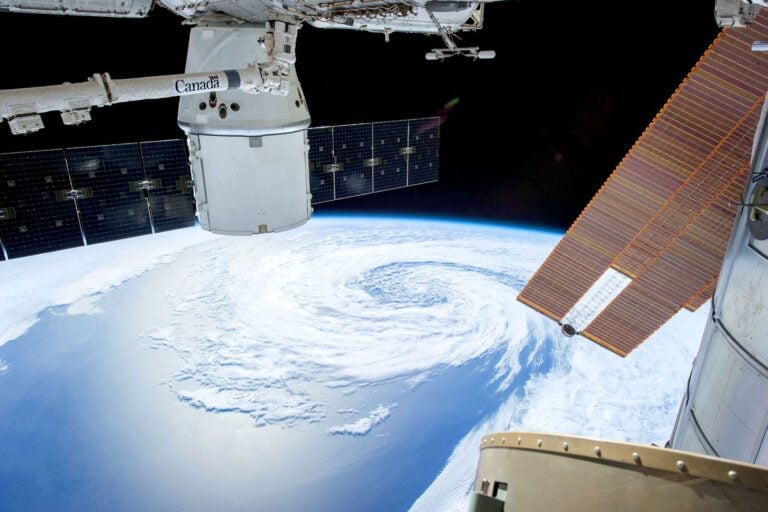
When Heinrich Hertz noticed in 1887 that ultraviolet light made sparks jump more easily between charged metal plates, he called the effect puzzling, and it took 18 years and Einstein's photon hypothesis to reveal he had accidentally observed the mechanism that would one day power satellites

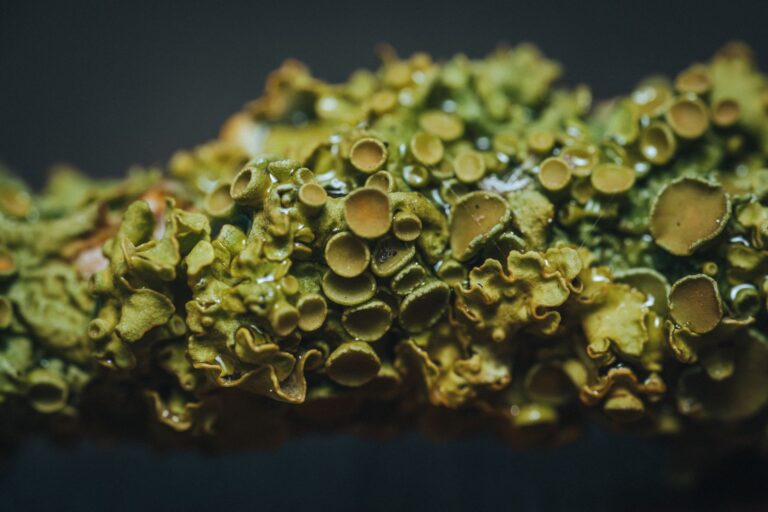
In 1928, Alexander Fleming returned from a Suffolk holiday to find a Petri dish of Staphylococcus contaminated by a blue-green mould possibly carried from a mycology lab downstairs, and the clear ring of dead bacteria around the fleck became the accidental start of the antibiotic era
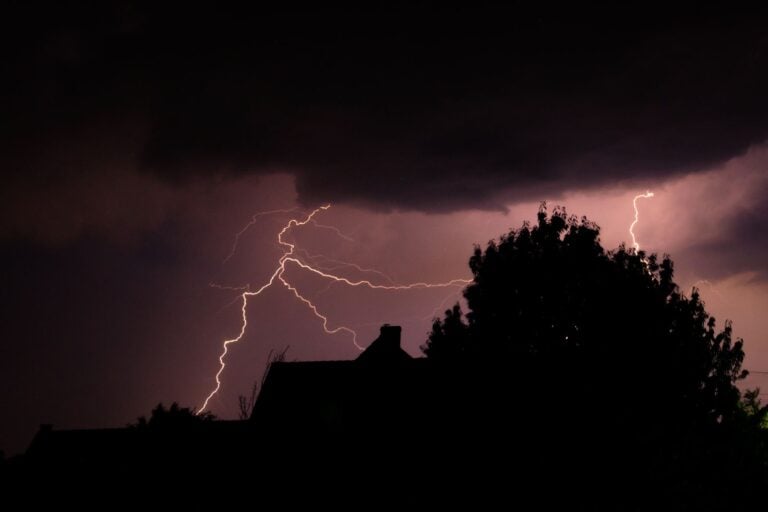
A single lightning flash on 29 April 2020 stretched 768 kilometres across Mississippi, Louisiana, and Texas in 7.39 seconds, a bolt long enough to reach from London to Hamburg along a single channel of superheated plasma five times hotter than the surface of the Sun
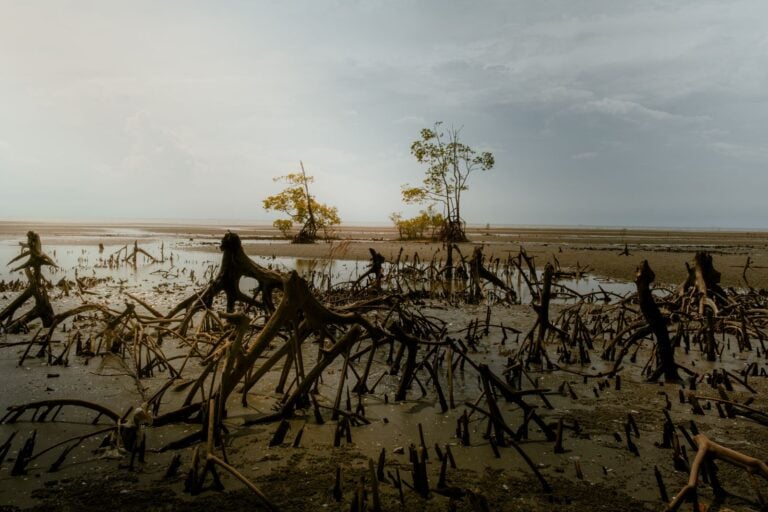
How does a coastal tree that grows in salt water store three to five times more carbon per hectare than tropical rainforest, and why do roughly two-thirds of restoration plantings still fail within five years?

California’s Ivanpah solar farm uses 173,500 heliostats carrying nearly 350,000 mirrors to boil water atop three 140-metre towers, but regulators blocked plans to shut down two units as cheaper photovoltaic solar overtakes the technology
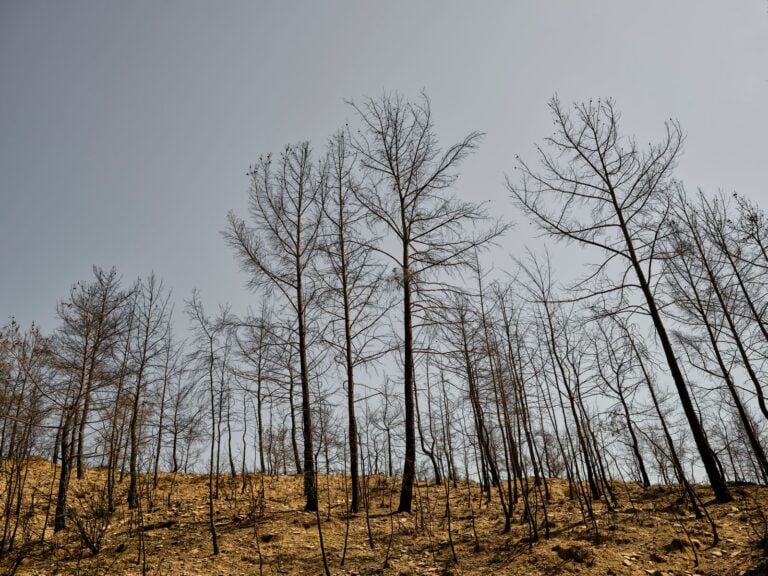
How did a peninsula stripped almost bare by war and firewood cutting in the 1950s grow back to roughly two-thirds forest cover within a single lifetime, and what did its foresters do that China's larger effort could not replicate?
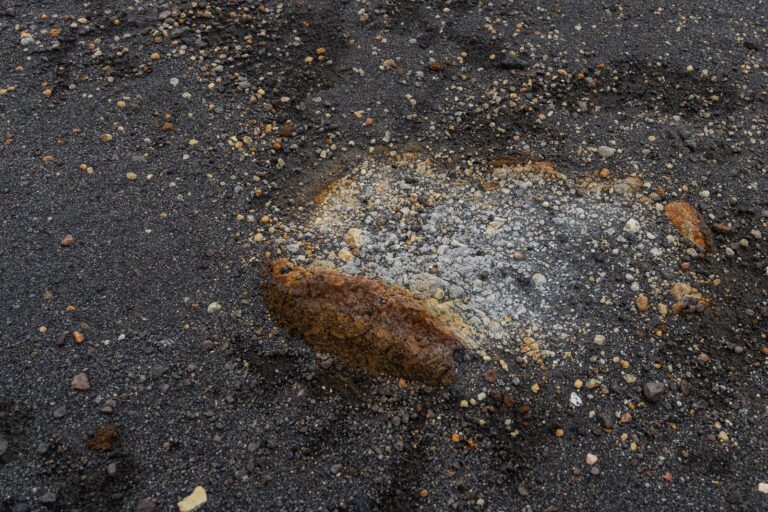
A meteorite that fell near the Australian town of Murchison in 1969 contains tiny silicon carbide grains that formed roughly 7 billion years ago, making them older than the Sun itself and the oldest solid matter ever held in a human hand
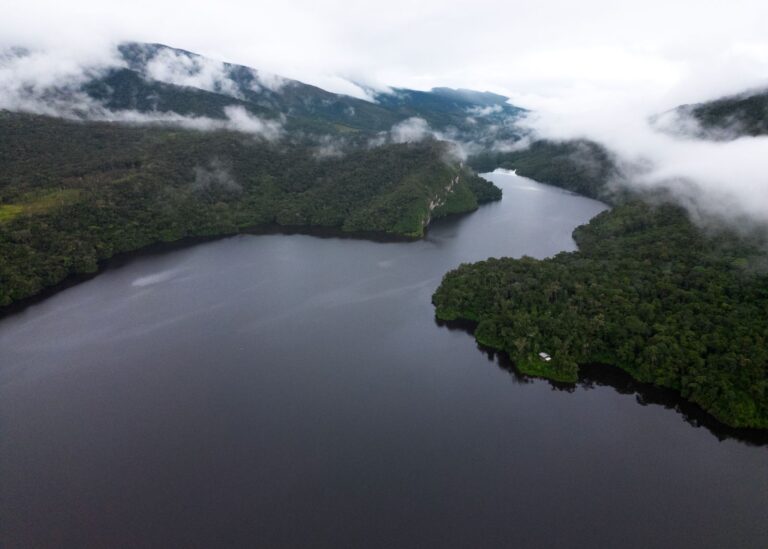
A boiling river runs for roughly 6.4 kilometres through the Peruvian Amazon at temperatures near 100 degrees Celsius with no volcano within 700 kilometres, heated instead by geothermal water rising along a fault the local shamans mapped centuries before geologists arrived
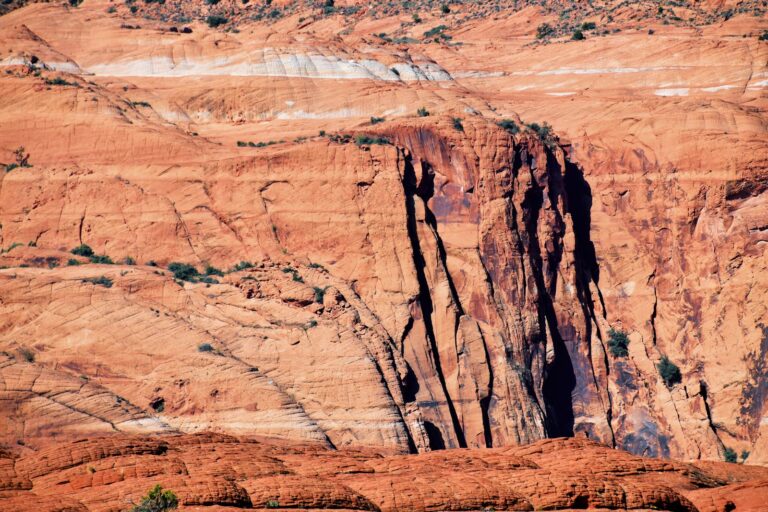
How does a conifer presumed extinct for roughly 90 million years survive in a single hidden canyon fewer than 200 kilometres from a major city, with under 100 wild adults left?
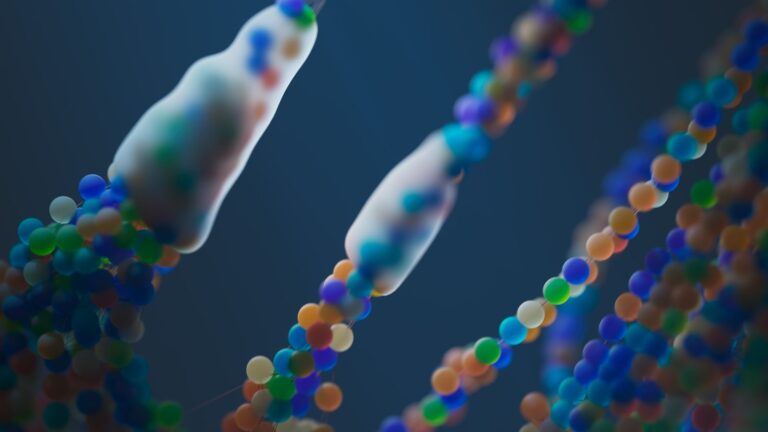
In May 1952, Rosalind Franklin and Raymond Gosling exposed hydrated DNA fibres to X-rays for 62 hours at King's College London, producing the photograph whose sharp cross helped reveal the double helix before Watson and Crick built their correct model