What's up in
Solar Science
Photovoltaic research, materials science, solar physics, efficiency breakthroughs, and the laboratory discoveries advancing the next generation of solar technology.

Solar Science
In 1839, a 19-year-old Edmond Becquerel dipped two platinum electrodes into an acidic solution in his father's Paris laboratory, shone sunlight on one of them, and watched a current appear on the galvanometer — the first recorded photovoltaic effect, nearly a century before anyone could explain why it worked
In 1839, teenage Edmond Becquerel dipped two platinum electrodes into an acidic solution in his father's Paris lab and watched sunlight generate an electric current — the first observation of the photovoltaic effect, and the mechanism behind every solar panel on Earth today.

The Sun might look yellow, but seen from space without an atmosphere filtering its light, the Sun is actually white — and the yellow colour we see from Earth is the result of our atmosphere scattering blue light

Thunderstorm, not eclipse, drove tree signal spike in Dolomites
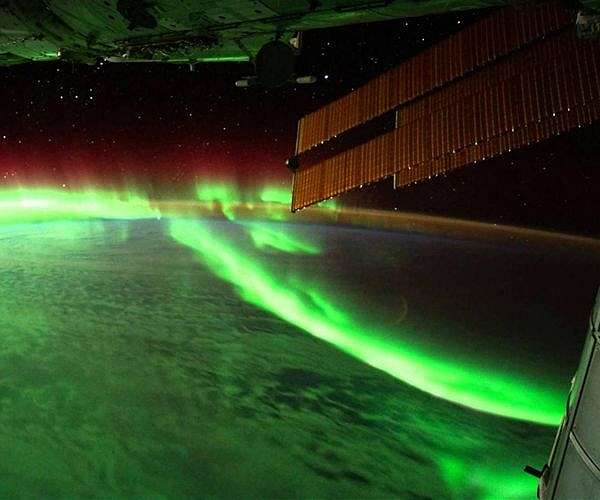
Alfven waves drive stable electric fields that power auroras
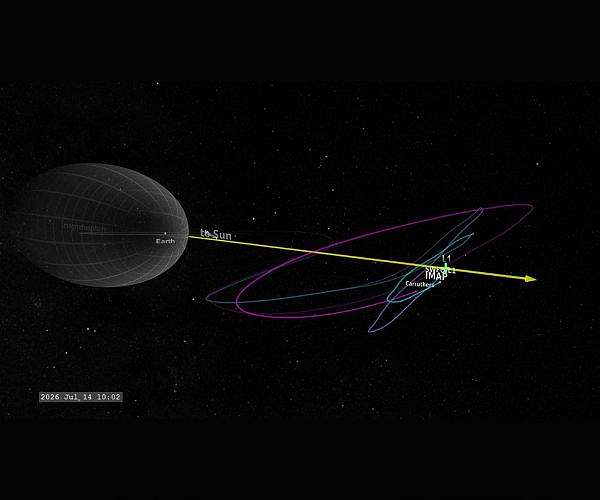
NASAs IMAP Begins Primary Science Mission
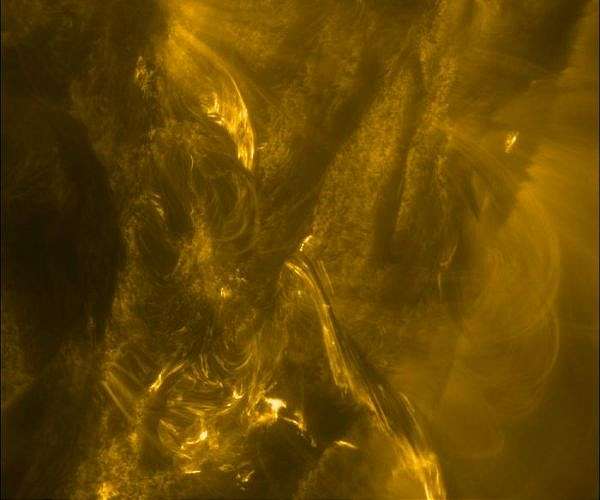
Solar Orbiter spots magnetic avalanches driving major solar flare
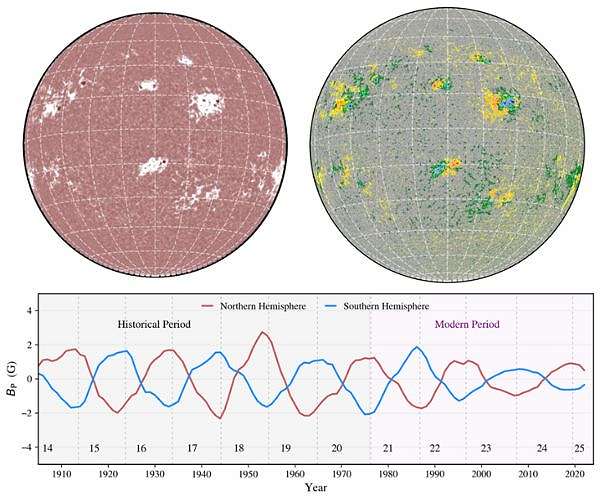
Century-old solar records refine future cycle forecasts
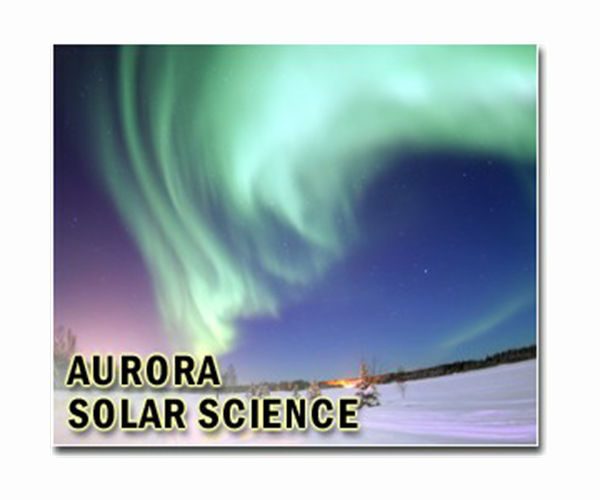
Geomagnetic storm to bring northern lights to central US
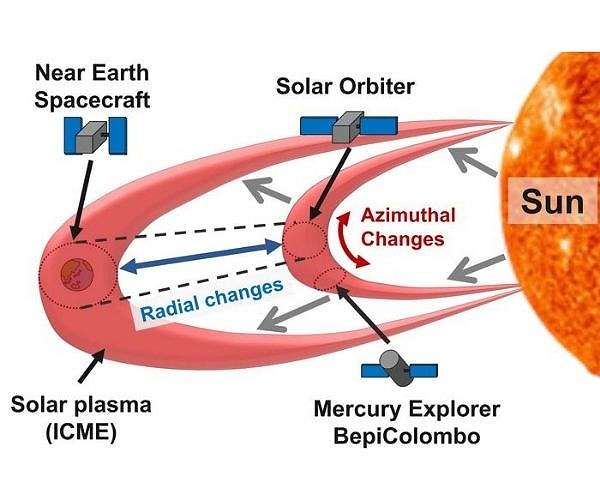
Multiple spacecraft track evolving solar storm to improve space weather forecasts
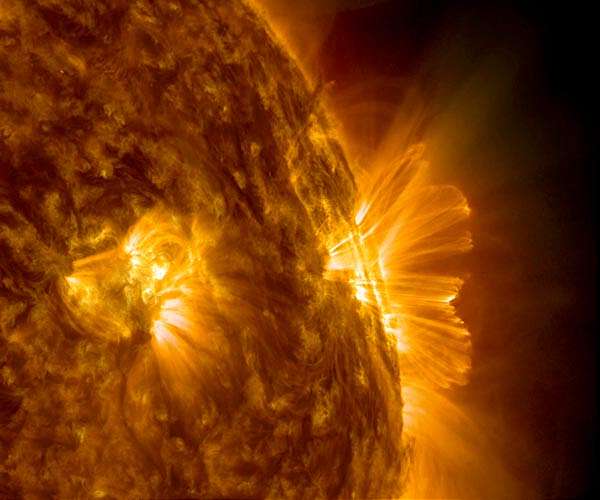
NJIT researchers discover long-hidden source of gamma rays unleashed by solar flares
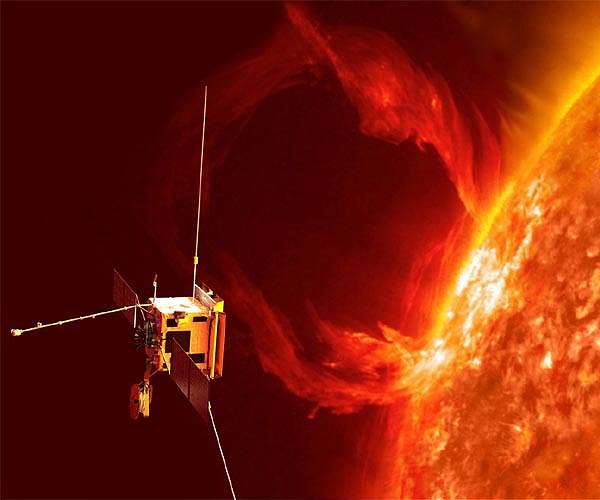
Solar probes follow hyperactive sunspot region through three full rotations