A tardigrade dried into its dormant form is barely a speck on a fingernail, a wrinkled barrel roughly half a millimetre long. Add water and, under the right conditions, its legs unfold, its internal systems restart, and the animal begins moving and feeding again. Some tardigrade species have survived extraordinary laboratory exposures to heat, cold, radiation and space vacuum, but those records come from different species, life stages and exposure durations. No single tardigrade has been shown to endure every extreme one after another.
The common thread is cryptobiosis, a reversible state in which measurable metabolism becomes extremely low or temporarily undetectable. During desiccation-induced cryptobiosis, many land-dwelling tardigrades contract into a compact form called a tun. The tun is not an indestructible shell, but it allows the animal to protect its cellular machinery until favourable conditions return.
The animal that should not survive a vacuum
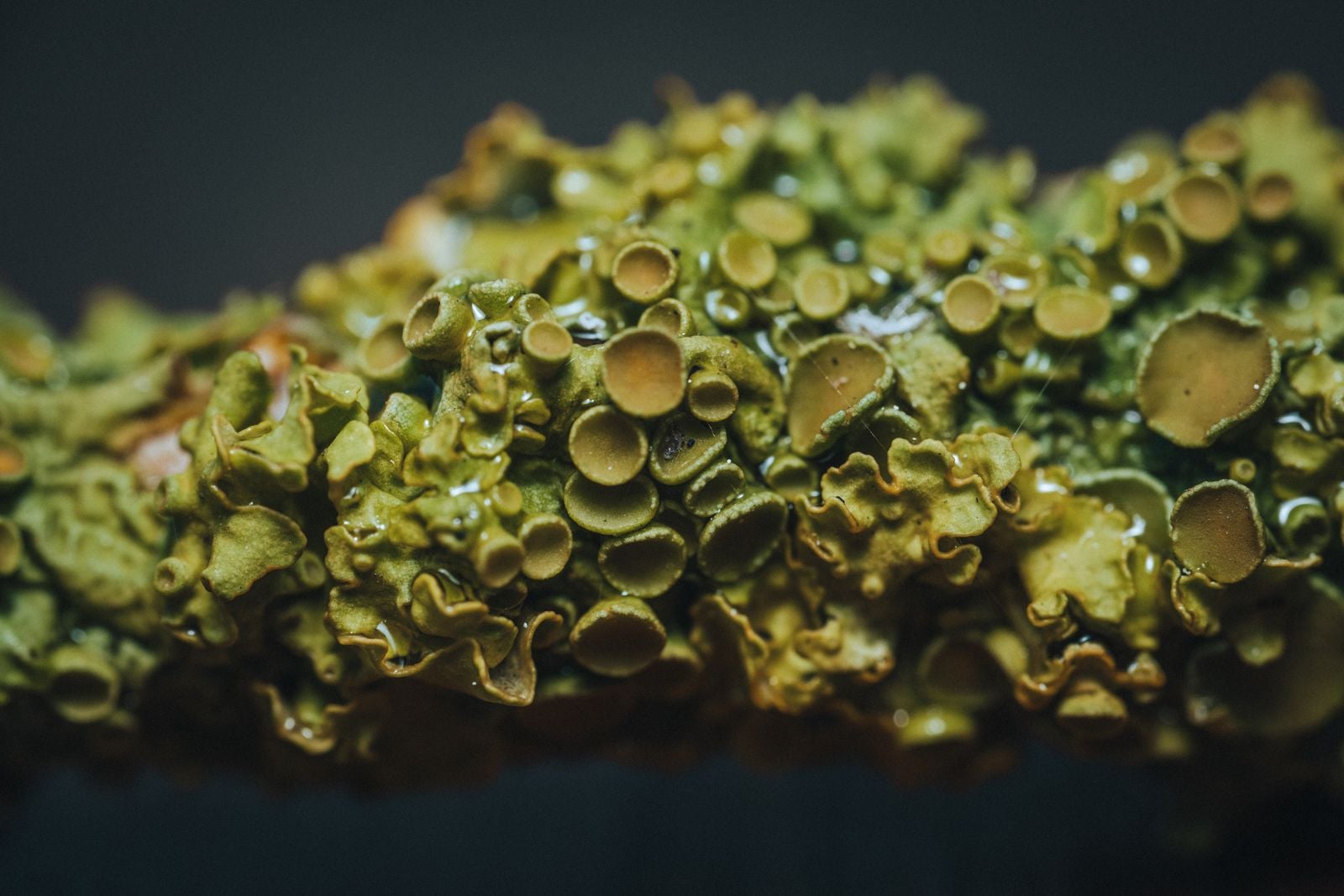
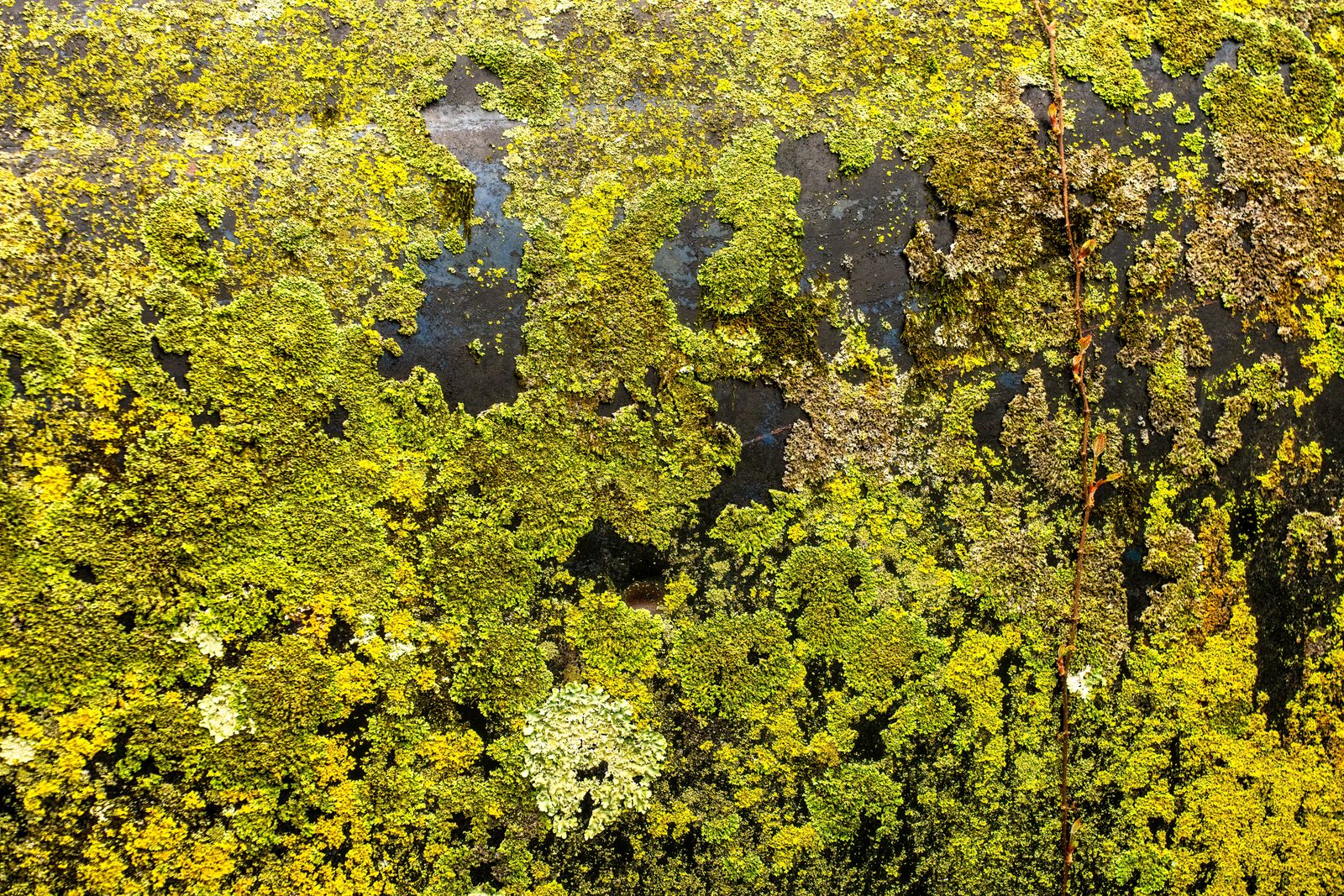
Tardigrades are eight-legged micro-animals that live in marine, freshwater and damp terrestrial habitats. Around 1,500 species have been described, although their individual abilities vary considerably. Many terrestrial species live in the thin films of water surrounding mosses, lichens and soil particles.
The German naturalist Johann August Ephraim Goeze published the first known description of a tardigrade in 1773. He called the animal Kleiner Wasserbär, or little water bear, because its clawed legs and slow gait reminded him of a miniature bear. The name endured even as researchers discovered that different water bear species possess very different survival limits.
How a living animal enters a tun
When the surrounding water disappears slowly enough, desiccation-tolerant tardigrades retract their legs, contract their bodies and lose most of their internal water. This reduces the chemical reactions that normally damage dehydrating cells. It also limits the formation of destructive ice crystals when the animal is subsequently exposed to extreme cold.
The molecular protection is more complicated than simply replacing water with sugar. Many tardigrades contain only low or undetectable amounts of trehalose, the protective sugar used by several other desiccation-tolerant organisms. Some species instead produce tardigrade-specific proteins, including cytoplasmic abundant heat-soluble proteins, or CAHS proteins, that can become highly viscous, form gels or enter glass-like states as water disappears.
These materials help stabilise membranes, enzymes and other cellular structures, but the tun is not chemically invulnerable. Proteins can still deteriorate, DNA can still be damaged and revival rates fall as storage conditions become harsher or longer. Repair systems become important when the animal rehydrates.
Brief heat, extreme cold and enormous radiation doses
Some dehydrated tardigrades have survived brief exposure to temperatures around 150 degrees Celsius and cooling close to minus 272 degrees Celsius. These are short laboratory challenges, not temperatures at which the animals can remain active or reproduce. Reported radiation tolerances can reach approximately 5,000 to 6,000 grays, depending on the species, life stage and type of radiation.
A whole-body ionising-radiation dose of several grays can be fatal to a human, which produces the familiar comparison that tardigrades can tolerate roughly 1,000 times the human lethal dose. That comparison is useful for scale, but it is not a precise clinical equivalence. Grays measure absorbed energy, while biological effects also depend on radiation type, exposure pattern and the organism being exposed.
The most famous space test occurred aboard the European Space Agency’s Foton-M3 mission in 2007. Thousands of tardigrades spent about 12 days in low Earth orbit, with groups exposed to space vacuum and differing levels of solar radiation. Tardigrades shielded from direct solar ultraviolet radiation recovered at rates close to ground controls, while full solar ultraviolet exposure caused severe mortality and left only a few survivors.
The experiment still established an important first. ESA reported that tardigrades were the first animals shown to survive direct exposure to space. The results demonstrated strong resistance to vacuum, but they did not show that most tardigrades could casually withstand every component of the space environment.
Dsup protects DNA, but it is not the entire explanation
In 2016, Takuma Hashimoto, Takekazu Kunieda and colleagues in a University of Tokyo-led collaboration reported a tardigrade protein they named Dsup, short for damage suppressor. Their study focused on the exceptionally tolerant species Ramazzottius varieornatus. When the team expressed Dsup in cultured human cells, the protein associated with nuclear DNA and reduced markers of X-ray-induced DNA damage by about 40 percent.
Subsequent research has indicated that Dsup interacts with DNA and chromatin and can reduce damage associated with reactive oxygen species. It is more accurate to picture it as one layer of protection than as an impenetrable cloud around every strand of tardigrade DNA. Dsup is not known to occur in every tardigrade species, and it cannot by itself explain the full range of tardigrade survival.
Other species rely on different combinations of antioxidants, stress-response proteins and unusually effective DNA-repair pathways. Some mechanisms are already active before an extreme exposure, while others are switched on afterward. The water bear’s resilience is therefore a toolkit rather than a single biological trick.
Borrowing the water bear’s protection
In 2025, researchers from MIT, the University of Iowa and Brigham and Women’s Hospital tested whether temporary Dsup production could protect healthy mouse tissue during radiation treatment. Instead of permanently altering the animals, the team used polymer-lipid nanoparticles to carry messenger RNA into cells in the cheek and rectum. The mRNA instructed those cells to produce Dsup for a limited period before the instructions and protein degraded.
The researchers found that treated mouse tissues showed fewer signs of radiation-induced DNA damage than untreated tissues. The peer-reviewed study reported that local and transient Dsup expression protected oral and rectal epithelial tissue. In an oral-cancer model, the local treatment did not prevent radiation from controlling a tumour elsewhere in the animal.
James Byrne, a radiation oncologist at the University of Iowa, and Giovanni Traverso, an MIT professor and gastroenterologist at Brigham and Women’s Hospital, were senior authors on the research. Their objective is not to make human cells permanently tardigrade-like. It is to provide temporary, local protection to healthy tissue that lies close to a tumour receiving radiation.
Why an animal from moss can survive space conditions
Tardigrades did not evolve to travel outside spacecraft. Their extreme resistance probably developed primarily as protection against dehydration, freezing and rapidly changing conditions in temporary aquatic habitats. Those stresses overlap with radiation damage because all can disrupt membranes, oxidise proteins and break or chemically alter DNA.
Vacuum is especially dangerous because it drives extreme water loss, a challenge desiccation-tolerant tardigrades are already equipped to manage. Solar ultraviolet radiation and energetic cosmic particles create additional damage, which explains why the Foton-M3 animals exposed to direct sunlight fared much worse than those exposed primarily to vacuum.
The overlap has nevertheless attracted interest from space researchers. Giovanni Traverso and his colleagues have discussed possible future use of Dsup-derived protection for astronauts facing long-duration radiation exposure. That remains a speculative application, not a tested countermeasure for human spaceflight.
Not one trick, but a species-dependent toolkit
Different tardigrades possess different molecular survival equipment. Some produce CAHS proteins associated with desiccation tolerance. Some possess Dsup or related proteins, while others appear to depend more heavily on antioxidant defences and the rapid activation of DNA-repair genes.
The state of the animal matters as much as its species. Hydrated and active tardigrades can be far more vulnerable to heat, drying and other stresses than well-formed tuns. Even a desiccation-tolerant species may die if it dries too quickly to complete the transition.
This variability is why statements about what “the tardigrade” can survive require caution. The most dramatic records describe the upper limit reached by particular specimens under carefully controlled conditions. They are not a guarantee that any water bear collected from a garden wall will survive the same treatment.
How long the pause can last
One of the strongest long-term records comes from an Antarctic moss sample collected in November 1983 and stored at minus 20 degrees Celsius. When researchers thawed the sample more than 30 years later, two adult tardigrades and an egg showed signs of recovery. One revived adult and the animal that hatched from the egg later reproduced.
The report is often described as a 30-year tun record, but the distinction matters. The animals had been preserved in frozen moss, not kept as dry tuns on a shelf at room temperature. The researchers noted that previous verified tardigrade records included nine years for dried eggs stored at room temperature and eight years for dried animals kept frozen.
The Antarctic experiment nevertheless demonstrated that tardigrades could recover and reproduce after more than 30 years of frozen storage. Recovery was not instantaneous. One adult took around two weeks to regain normal movement and feeding, while another revived specimen later died.
Cryptobiosis therefore does not prove that biological time stops completely. Metabolism may become extremely low or undetectable, but molecular damage can accumulate and the chances of revival can decline. Storage temperature, humidity, oxygen exposure, species and life stage all influence the outcome.
What the water bear may teach medicine
The Dsup mouse work remains preclinical. The researchers have said they must examine safety, immune reactions and delivery methods before testing the approach in people. They are also investigating modified versions of Dsup and patient-friendly delivery formats, including hydrogels, rather than assuming that direct tissue injections would be suitable during routine radiotherapy.
A separate research programme is examining whether tardigrade-inspired desiccation proteins could help store biological medicines without constant refrigeration. In a 2023 proof-of-principle study, researchers used CAHS D and related protectants to stabilise human blood-clotting Factor VIII during drying and thermal stress. The experiment supports further development of dry-storage technology, but it did not show that finished vaccines can already be left unrefrigerated for years.
Both research paths remain early. Dsup has protected cultured cells and selected mouse tissues, while CAHS-based materials have stabilised a model biological medicine under laboratory conditions. Turning either result into a safe treatment, astronaut countermeasure or commercial storage system will require considerably more testing.
A speck in the moss, waiting for water
Many damp moss and lichen habitats contain tardigrades, although not every sample will produce one. When their surroundings dry slowly, desiccation-tolerant species may contract into tuns and remain there until water returns. Fresh, healthy tuns can sometimes revive within minutes or hours, while recovery after long storage can take much longer.
The remarkable part is not that tardigrades are immortal or immune to physics. It is that a complex animal can temporarily reduce its biological activity to almost nothing, protect enough of its cellular machinery to survive and then rebuild normal function when conditions improve. A tun sitting in dry moss is not beyond damage, but it may be holding an entire animal in reserve, waiting for the next rain.