
Research using hybrid embryos remained in limbo as Britain's Human Fertilization and Embryology Authority decided to defer whether to grant licenses. However, the panel did determine that creating human-animal embryos would be legal under current law, NewScientist.com said. HFEA said it would defer individual research applications until it conducted hearings. Angela McNab, HFEA chief executive, said in a statement, "After careful consideration, the authority has ruled that, under current legislation, these sorts of research would potentially fall within the remit of the HFEA to regulate and license, and would not be prohibited by the legislation."
A white paper published in December included a proposal to ban creation of hybrid embryos.
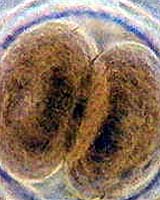
Creating hybrid eggs transfers nucleus from a mature human cell to a rabbit or cow egg without a nucleus, then stimulating the cloned egg to grow into an early embryo from which stem cells could be cultured. Genetically it would be more than 99.9 percent human.
Researcher Stephen Minger, who wants to make the embryos, said he disappointed that a final decision wasn't made Thursday but glad the panel would "consult both public and scientific opinion regarding cloning of human cells using non-human eggs."
Source: United Press International
