
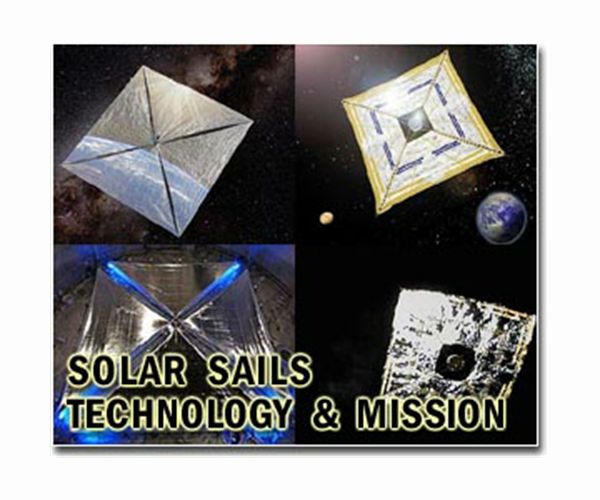
NASA is embarking on a pioneering journey with its latest mission, which introduces an innovative method of space navigation. The mission, spearheaded by NASA's Ames Research Center, involves the deployment of a solar sail system that harnesses sunlight for propulsion, marking a significant shift in how spacecraft navigate the cosmos.
The mission's craft, a microwave oven-sized CubeSat, is slated for launch aboard a Rocket Lab Electron rocket. The event is scheduled at Launch Complex 1 on the Mahia Peninsula, New Zealand, with a launch window commencing at 3 p.m. PDT on April 23 (10 p.m. UTC). This mission is crucial as it will validate the use of lightweight composite booms that support the solar sail, a critical step toward realizing more ambitious journeys to the Moon, Mars, and potentially beyond.
Positioned approximately 600 miles above Earth, the CubeSat will unfurl a vast solar sail, encompassing over 800 square feet, crafted from a lightweight composite material. This technology mimics maritime navigation but instead of wind, it utilizes the pressure exerted by sunlight. This propulsion method will enable the spacecraft to undertake various maneuvers, such as raising and lowering its orbit, demonstrating a potential game-changer for future space exploration.
During its mission, the solar sail-equipped CubeSat might also become a spectacle from Earth, visible to the naked eye against the night sky. This visibility not only highlights the mission's technical achievements but also serves to increase public engagement with space science and exploration.
