
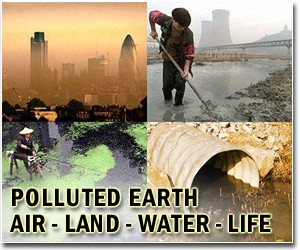
With oil now coating their coastal salt marshes, the Cajun Indians who have lived off the Louisiana bayou for generations fear the black tide will destroy their homes, their livelihood and their very culture.
It is a simple life, but a good one, they say.
People work hard and come home to big pots of spicy gumbo or boiled crab. They share what they catch and cook with the cousins, and aunts and uncles, and children and friends who are never far away.
Anesie Verdin, 63, has built a strong business over the years, earning enough fishing shrimp and crabs to buy 412 acres of oyster beds. That was the first place he saw the oil, a thick sludge that clung to his son's hand when he reached into the water.
"I wanted to give them something I didn't have," he said of the legacy he had been building for his children. "I won't be able to pass it. I build just to pass some oil in the water. Nothing else."
Oil continues to gush into the Gulf of Mexico more than 50 days after a deadly explosion that sank a BP-leased drilling rig 52 miles offshore and sparked the worst environmental disaster in US history.
A containment cap is now capturing about 15,000 barrels of oil a day, but at least 30 million barrels have already been released and have spread across the Gulf, sullying shores in four states.
Verdin's boats are now being used to lay out boom to soak up the oil and protect as much marsh as possible. But they are powerless against high waves or the storm surges which push seawater deep into the bayou.
The oil can kill the delicate grasses which keep the wetlands from being washed out to sea and provide critical breeding grounds for shrimp, crab, oysters and fish. If it contaminates the land, there's no telling when — or if — people will be able to come back.
"We have strong ties to the land and the water," said Brenda Dardar Robichaux, chief of the Houma Nation.
"This is our way of life. To think that may be gone for generations… the unknown is agonizing."
Decades of coastal erosion and a series of devastating hurricanes have already spurred many here to seek higher ground. Tribal leaders have been doing their best to help people relocate without losing ties to family, friends, and heritage.
Robichaux's voice caught when asked where people would go if the oil sweeps through the bayous and contaminates their land.
"I have no idea. I don't know that anybody knows that answer," Robichaux said in a telephone interview from Washington where she had gone to plead for help for her tribe.
People who live on the bayou are resilient folk, used to cleaning mud out of their homes after a bad storm.
But it will be hard to recover from this, said Diane Austin, an anthropologist with the University of Arizona who has spent years studying the impact of the oil and gas industry on the region.
"It's not just about money. It's who they are," said Austin. "You can't compensate people for losing their livelihood and identity."
The stress of dislocation can lead to a host of social problems, Austin warned.
And people are already fighting over the few cleanup jobs available.
Clarice Friloux has been battling for 16 years to clean-up an oil waste treatment facility in her town of Grand Bois.
Every time she had to evacuate for a hurricane, she was worried she'd come home to a road block because the hazardous waste had been washed out of their open pools and contaminated the land.
With the amount of oil in the gulf — and the huge storm surges which sweep across the bayou — she thinks contamination is a certainty. And this time it won't just be Grand Bois. It'll be the entire region.
"It's enough they killed our shrimp industry. Now it can come into our homes and destroy our homes. The oil can come into our homes," she told AFP.
"How do you cope with that?"
Share This Article With Planet Earth
