
A shorter than usual winter, along with warm spring weather has sports and outdoor enthusiasts gearing up for an active season in Japan. Organic food maker Clif Bar and Company hopes to blaze a trail of its own in the island nation.
A leading maker of natural energy, nutrition, and snack bars, Clif Bar's high-carbohydate foods had already generated a loyal fan base in the U.S. before the company ventured to Japan in mid-2014. Local outdoor equipment vendor A and F has placed its lineup under an umbrella that includes 75 elite global manufacturers, including Adirondack, GSI Outdoors, Ultimate Survival Technologies, Cocoon, and Yeti.
Started in 1990 by avid bike rider Gary Erickson, privately-owned Clif Bar has grown rapidly, watching sales reach the multimillion dollar mark within several years. The firm's products are largely organic, free of gluten, soy, dairy ingredients, trans fats, hydrogenated oils, high fructose corn syrup, artificial flavors, synthetic preservatives and GMOs.
Its stable of 20 flavors includes Cool Mint Chocolate, Crunchy Peanut Butter, Chocolate Chip, Oatmeal Raisin Walnut, and Blueberry Crisp. Health magazine recently ranked Clif's White Chocolate Macadamia Nut energy bar, made with organic oats and soybeans, as the best and chewiest in a massive comparison test.
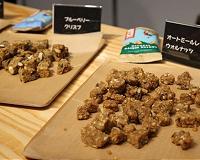
A steady stream of hungry people lined up to try a variety of samples at the CareTEX 2016 exposition held in mid-March at Odaiba, Tokyo, where A and F set up a booth.
"Historically, Japanese can be called 'onigiri (rice ball) snackers,' so the concept of consuming a portable power bar is not totally alien," says A and F sales manager Yasushi Yamada.
At YEN 268 per unit, the snacks do not seem unnatractively priced. Sporting about 250 calories each, Clif Bars contain carbohydrates, protein, fiber, fat, and 23 vitamins and minerals.
The company recommends eating one Clif Bar 1-3 hours with water before heavy exertion. They can also be consumed during lower intensity exercise such as hiking or biking to maintain energy levels.
Japan would seem to be a natural fit for Clif Bar, as the market appears to lack a true local standout. Still, Japan is not virgin territory when it comes to energy and nutrition supplements.
Convenience stores and supermarkets are typically stocked with an array of 'eiyo dorinku' (nutritional drinks), including the high-selling Alinamin V, Yunker Star, and S-Cup DXa. In recent years RedBull and Monster Energy have also joined the fray, experiencing some success.
Many of the top local sellers are made by pharmaceutical companies, which pack them with water-soluble caffeine, taurine and niacin, along with vitamins. Many are also geared for business people and urban professionals, and none are particularly renowned for their outright taste.
"Clif Bar prides itself on both quality and taste using whole ingredients, and that has an increasing appeal in the natural foods movement gathers momentum," says Mr. Yamada, citing steady early sales growth as the company's brand recognition begins to take effect.
"Dietary habits are changing as well, and there is more ready acceptance of foreign foods than in the past. But the standard must be reasonably high."
