
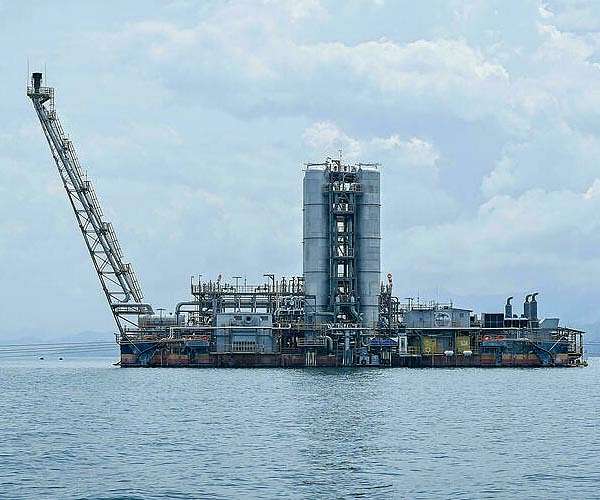
Since its independence in 1969, the Republic of Congo has been shaped by the discovery of a significant oil field off its coast, presenting both opportunities and challenges for the nation. According to a recent publication in Critical Historical Studies, titled "Enclosed Futures: Oil Extraction in the Republic of Congo," the exploitation of this resource has deeply influenced Congo's trajectory.
The research article, written under anonymity due to potential repercussions on future studies, details the phases of Congo's history from "colonial territorialism" and "postcolonial capitalism" to its uncertain future post-independence. The French colonial era initiated the exploitation of Congolese resources, which intensified in the twentieth century as foreign interests aimed to monetize the region more effectively.
As global demand for oil surged, Congo, now independent, saw its first leaders, influenced by Western interests, continue to permit access to its oil fields, despite growing local impoverishment. However, movements within Congo and a shift towards nationalism among OPEC nations led later leaders to attempt to reclaim sovereignty over their oil wealth.
The assassination of President Marien Ngouabi in 1977 marked a return to foreign dominance over Congo's oil resources under Denis Sassou-Nguesso's rule, aligning closely with French oil giant Elf-ERAP. This shift undermined previous efforts to establish national control over oil resources.
The paper concludes that the predicted decline in oil production could endanger Congo's future, potentially leading to the end of the authoritarian political structures supported by oil revenues. The long-term effects of this decline on the nation's political and economic landscape remain uncertain.
Research Report:Enclosed Futures: Oil Extraction in the Republic of Congo
