
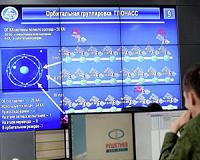
The testing of the ground control system of the Glonass satellite navigation system has been completed, Nikolay Testoyedov, the Head of the Reshetnev Information Satellite Systems Company told Izvestia newspaper.
The testing of the Glonass system started in 2011. In December 2015, the Russian Defense Ministry was put in charge of the systems' final tests.
"The tests ended successfully, otherwise the system would not have been accepted. I want to give credit to our customers – they are demanding people and if something was not in line with their technical objectives they pointed it out and we worked it through, modernizing some things," Testoyedov told Izvestia.
Glonass is a satellite navigation system, which offers an alternative to the US Global Positioning System (GPS). The Glonass network provides real-time positioning and speed data for surface, sea and airborne objects around the globe.
The system currently consists of 28 satellites, of which 23 are operational, and a number of ground relay stations.
On Wednesday, head of Roscosmos Igor Komarov,announced that the Russian space agency would transfer control over the ground infrastructure of the Glonass global positioning system to the country's defense ministry later this year.
related report
Russia may launch two or three Glonass navigation satellites this year, a senior space industry official said.
The official noted that the launches of the satellites would depend on the state of the Glonass system.
"We are planning to launch one Glonass-M satellite in the next three months to the second orbital plane. We are also planning another Glonass-M launch for this year to the second orbital plane. Another launch to the second or third plane is possible in the end of the year," Nikolai Testoyedov, the head of the Information Satellite Systems (ISS) company, which manufactures satellites for the Glonass project, told the Izvestiya newspaper in an interview published Tuesday.
Glonass, a global navigation system operated by the Russian Aerospace Defense Forces, currently consists of 24 satellites, 23 of which are operational, according to the newspaper. The system allows real-time positioning and speed data for surface, sea and airborne objects around the world. The need to launch new satellites emerged this year when two of them broke down around the same time.
