
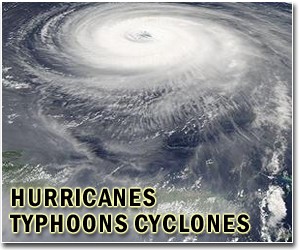
"Protect the baby. We'll meet up after the storm," Esnel told his wife as she got on a UN truck with their two-year-old to leave a Port-au-Prince refugee camp before Tropical Storm Tomas drowns it out.
Amid the goodbyes, the first drops fell of what is feared will become a deluge that will swamp the precarious tent cities spawned by the devastating January 12 earthquake and now also under threat from a cholera outbreak.
Some 50 women with their babies and elderly people piled on the back of the white UN truck that left Camp Corail Cesselesse, some 10 kilometers (six miles) from the Haitian capital.
Like many other UN vehicles up and down the site, the truck headed for a nearby hospital where some 2,000 people will be put up as Tomas ravages the countryside with up to 25 centimeters (10 inches) of rain and winds of 60 miles (95 kilometers) per hour.
Esnel watched her wife and baby draw away from the camp, hoping they would be spared from the impending storm.
While others panicked at the approaching catastrophe, Esnel prepared to face it full on.
"I'm staying put," he said. "But I let my wife and two-year-old leave."
The reason he is staying behind is to protect the little his family calls home after the earthquake struck: a simple tent among thousands pitched in the dusty ground close to bare, treeless mountains.
At another refugee camp in the sprawling, wounded capital, Sylvania, eight-months pregnant, gathered some personal belongings before leaving with her companion.
"I'm expecting a boy; pretty soon too," said the 22-year-old who has a job cleaning out the canals at the refugee camp.
"I don't know where I will be staying, but the international organization for refugees tell us we'll be back in three days," she added forlornly.
The Haitian capital is an outdoor home to hundreds of thousands of earthquake victims, and the government so far has managed to take 15,000 families to safety.
"We're ready to house close to 100,000 people in schools, churches and hospitals," said Civil Protection official Nadia Lochard.
Meanwhile, Haitians were forming long queues outside supermarkets and gasoline stations to stock up on staples and fuel ahead of potential shortages caused by Tomas.
All the while, a blanket of brooding clouds spread over Haiti bringing the first drops of rain.
Prime Minister Jean-Max Bellerive urged precaution and called for the evacuation of all camps and areas at risk of flooding.
"The country has seen many victims this year 2010," he said, referring to the appalling death toll of 250,000 left by the 7.0 magnitude earthquake early this year.
"Now we're hit by a cholera epidemic," that has killed nearly 450 people, he added.
"We don't want to be counting any more victims."
Share This Article With Planet Earth
