
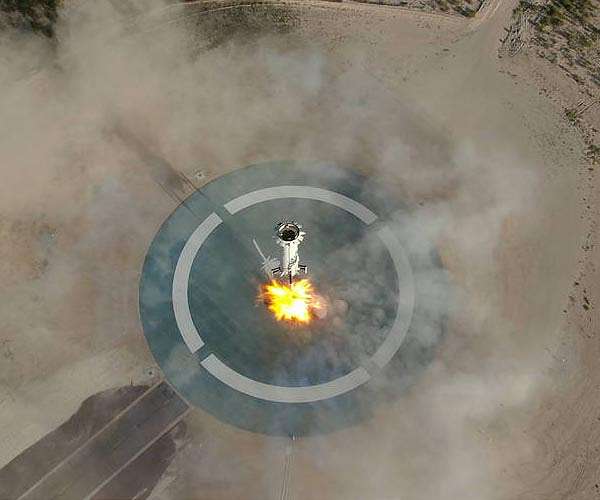
The 3I/ATLAS NASA comet, Elon Musk's Starship launch, and China's Shenzhou-20 crew have completely dominated newsfeeds as of late. However, these are just some examples of the developments that have helped shape the Space Age. As a result, it has gone from being a government pursuit and geopolitical rivalry to something far greater: a highly commercialized cultural product. Space culture has ingrained itself into every crevice of entertainment, from movies and books to games and major events like ComicCon. Driven by accessible digital technology and powered by the public's celestial fascination, this multi-billion-dollar market now blurs the line between hard science and interactive fantasy.
The Digital Frontier: Platforms for Participatory Stargazing
Films and books with a dedicated space theme set the standard, and now entertainment platforms have taken it a step further by throwing in interactive elements. No longer is it about passive consumption, but rather active engagement that is fundamentally changing how individuals view the cosmos. One instance of this can be seen within video games, where simple 2D space shooters have now evolved into massive, technically sophisticated simulations.
Titles like Mass Effect Legendary Edition, Starfield, Elite Dangerous, and Dead Space have players embark on their own intergalactic missions, upping the stakes with a touch of realism. Oftentimes, these feature accurate depictions of celestial bodies or recreate real orbital mechanics, which can also be seen in the iGaming landscape. Players can get access to Alien Invasion and Galaxy Quest-themed slots or an interplanetary table game (think Blackjack in Space). Generally, these are easily accessible, offer smooth experiences across desktop and mobile, and players can withdraw and deposit funds with a credit card (Visa/Mastercard). In this sector specifically, space imagery is heavily leveraged alongside SFX (Sound Effects) that help bring the great unknown to life. The most prominent example can be found through the use of VR (Virtual Reality) and ER (Extended Reality) tech. NASA is known for filming over a long period, obtaining 360-degree, 3D footage of astronauts out in space, completing tasks.
This is then turned into space documentaries by reputable production studios, with the intent of creating a truly immersive film experience. By combining visual, (sometimes) interactive, and spatial elements, public audiences feel as if they are right there with the crew in space. This indicates how space has become a tool to attract mass audiences and bring in high revenue, which is far removed from aerospace engineering.
The Synergy of Science and Spectacle
Another way to dissect this shift is through the way the private space sector interacts with the public. Missions and launches are no longer top priority, but rather, they are framed as public spectacles. When looking at the relationship between these events and the media, it is clearly reciprocal, with each party benefiting in some way.
Let's say SpaceX or Blue Origin has to announce a new launch or mission, it is not just released via a public statement or news article. Instead, it is turned into a must-watch spectacle with high production value, live streams, with media, and the public having front-seat access. NASA's Artemis missions and ESA launches (both government programs) are now marketed in a way that rivals upcoming Hollywood blockbusters. A specific event is perfectly packaged and gets marketed using some of the best advertising strategies available.
This can be seen in the way commercial astronauts or space engineers (actual professionals) became media personalities. Figures like Anna Menon and Victor Glover are now well-known, praised members of society. It can be argued that this content appeals to the media and public, as it makes them feel like they're getting access to top-secret information. Previously, neither the government nor private space companies were as forthcoming with such news, but now the public has become privy to it.
Merchandise, Licensing, and Lifestyle Integration
The Space Age has seen the birth of the "space aesthetic," wherein space station logos and symbols have been turned into fashion statements. Individuals can now actively purchase NASA-themed clothing and apparel from a store, further adding to this growing trend. Through an amalgamation of renewed interest in space, celebrity endorsements, and the status the logo indicates, this explosion occurred. Some argue that the surge in popularity happened because the Worm indicates American optimism, while others disagree due to the global impact.
However, one thing is for sure: the grip NASA still has on branding is reflected through the premium price tags on all the merchandise. A lot of this space aesthetic trend stems from the inherent nature of humans to obtain some form of collectible for the thing they are interested in. In the same way a Star Wars fan might search all corners of the earth for a rare Funko Pop or memorabilia, space enthusiasts will collect branded goods.
As technology continues to progress, there has been a rise in NFTs (Non-Fungible Tokens) in the overall collectors' community, which has bled over to the space sector. Virtual real estate with heavy celestial themes, specific planets, or carrying a popular space station logo can be procured in digital marketplaces. In turn, it signals how individuals are willing to make a financial commitment to the cosmos, which further feeds the sector's revenue.
The most prominent aspect for this mass revenue generation is the cultural influence. Somehow, the Space Age has become ingrained in social media and Gen Z culture, further bringing attention to these brands, themes, and events. Memes, jokes, and detailed, long-form content based on something space-related are circulating the net, and encouraging further growth. Consumers buying into this trend are directly feeding massive licensing revenues that will eventually make their way back into the space ecosystem. Simply put, it seems the commercialization of this culture is what is allowing the actual space economy to maintain its momentum.
Sustaining the Orbital Investment
In conclusion, there are three key drivers helping the Space Age thrive: interactive platforms and events, media consumption, and cultural integration. Overall, this entertainment trend is not necessarily a bad thing, as it creates economic momentum and helps fund space research. Although it does encourage consumer spending, this is still a product of enthusiasm, excitement, and a desire to learn more. In fact, this growing trend might be the exact thing inspiring future engineers and financing.
