
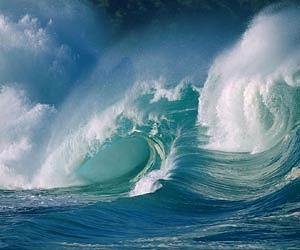
Liberians began picking up the debris from their collapsed homes Tuesday after massive waves left 300 people homeless and destroyed over 40 dwellings in a shantytown near the shore in Monrovia.
"The sea came in with force and took away almost everything I had in my room," resident James Thomas told AFP under a heavy downpour of rain on Monday. "There was no way for us to do anything because the sea is stronger than we are", he said.
Some 300 people lived in the flimsy zinc and wood structures that collapsed as massive waves flooded the beach in Liberia's capital, where coastal erosion and poor planning have already resulted in the destruction of many houses.
Another storm victim Cletus Sieh started breaking down what was left of his home to sell it after the waves flooded his house and washed away money, food and clothing.
Beaches around the capital and the port city of Buchanan 200 kilometres (125 miles) from Monrovia, lose several metres a year due to coastal erosion, endangering densely populated communities in storm surges.
Josep Gari, regional environmental team leader for the United Nations Development Programme (UNDP) in Dakar told AFP last week the causes of erosion include both man-made and natural factors.
"Human-made causes include unregulated sand mining, unsustainable harvesting and erosion of mangrove vegetation," which provides a natural barrier against storm surges, he explained.
Share This Article With Planet Earth
