
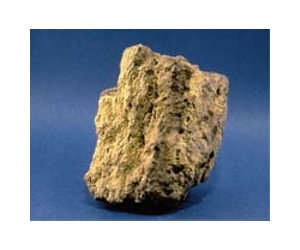
The uranium output of Namibia, the world's fourth producer, fell 27.5 percent this year due to high rainfall, low prices and industrial actions, the country's reserve bank said Tuesday.
The country produced 4,217 metric tonnes in 2011, but production is expected to climb to 4,486 metric tonnes in 2012, the Bank of Namibia said in its latest economic outlook.
"The uranium mines could not reach production targets due to high rainfall, low uranium prices and industrial actions," said Paul Hartmann, deputy governor of the bank.
"The projected increase in uranium production in 2012 is owed to Namibia's second uranium mine, Langer Heinrich Uranium (LHU) completing its third expansion phase," Hartmann added.
LHU managing director Werner Duvenhage disputed part of the central bank's analysis, however, saying heavy rains were the major reason behind production drops.
"LHU experienced significant disruptions due to high rainfall earlier in the year, our production was not impacted by lower prices or due to labour unrest," Duvenhage told AFP Tuesday night.
"Our revenue was impacted due to the lower prices."
In 2010 LHU and the country's Roessing Uranium mine — a subsidiary of the Anglo-Australian mining comopany Rio Tino — produced 5,816 tonnes in 2010.
Namibia supplies 8 percent of the world's uranium, with Roessing alone contributing 5.3 percent to the global total.
Roessing was optimistic about the economic risk of nuclear power production following the Fukushima disaster in Japan this year. The plant was crippled by an earthquake and tsunami on March 11.
"We do not believe it will have a significant negative effect on nuclear power as an important component of the global energy picture," Rossing said in its recently published annual report.
"However, the incident is likely to slow the development of new nuclear construction in some countries, particularly Japan, as they seek to make nuclear power even safer in areas with strong seismic activities."
According to the World Nuclear Association, the number of operating nuclear power plants worldwide will rise from 441 to more than 600 by 2030.
