
By the fall of 1945, Japan had been devastated by war. But the nation, which had fallen into a repressive religious/police state which ultimately led to its destruction, rose anew. Within a relatively short period of time it had rejoined the community of nations, first becoming a member of the U.N., and ultimately a member of the G7 as one of the world's major powers.
The country's Phoenix-like rebirth–and as the only nation to have experienced the wartime use of a nuclear weapon – is well documented. Japan has in many respects become a role model of domestic and international peace and stability for the world to see.
Still, all is not well, and ominous signs loom. Freedom of the press is under assault in Japan. For 2016, Reporters Without Borders ranks the country at No. 72 on its list of ease of information access to journalists (also known as the world press freedom index). Just six years ago, Japan ranked No. 11, reflecting a horrific fall from grace.
The recent crackdown on press freedom is indeed shocking. It includes the suspension of top newscasters Hiroko Kuniya (known as the "Barbara Walters" of Japan), Ichiro Furutachi, (host of the Japanese equivalent of the U.S. ABC Nightly news), Hideaki Koga, Shigetada Kishi, and numerous other top commentators.
As a fellow journalist, a lover of freedom, and as a Japanese citizen, I must stress and remind our friends and colleagues that a free press is the only guarantee for a free society throughout the world, regardless of race, region, nationality, culture, and creed.
It is my hope to expound upon these virtues in the weeks and months ahead, and to regularly bring to the fore areas of concern and examples of success and other perspectives on the theme "A Free Press for a Free People" from Asia.
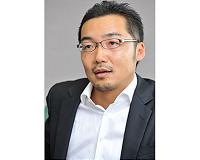
Takashi Uesugi is one of Japan's premier Journalists, a former writer for the New York Times, and author of 38 books. He hosts the weekly program "Weekly Literacy" on the MX TV Network.
