
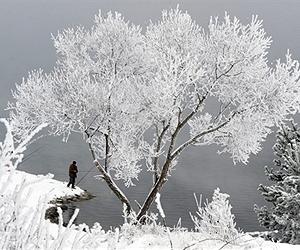
Sub-zero weather claimed 13 victims in Poland and the Czech Republic over the last 24 hours, local authorities said Monday, raising the death toll in four EU countries across the region to 79.
Police statistics showed nine people died in Poland, raising the death toll from exposure to 45 this month in addition to 15 in November.
A total 289 people died of exposure in 2009 in Poland, including 119 victims in January alone, police statistics show.
Most of the victims are homeless men aged 35 to 60 who were under the influence of alcohol.
Temperatures eased across Poland overnight, and hovered around freezing in the capital Warsaw Monday, but were forecast to plunge again by Friday.
Four more people died in sub-zero temperatures in the neighbouring Czech Republic since Friday raising the death toll in this Central European country to 12 since a cold snap began in late November.
Homelessness and alcohol also played a role in these fatalities.
earlier related report
Pakistan flood victims face harsh winter
Islamabad, Pakistan (UPI) Dec 6, 2010 –
The onslaught of winter is compounding the hardships faced by millions of Pakistan flood victims, aid agencies say.
Completing a four-day visit to Pakistan Sunday, Valerie Amos, U.N. undersecretary-general for Humanitarian Affairs and Emergency Relief Coordinator, said millions of people need assistance for healthcare, education, agricultural support and to build rebuild their homes and livelihoods.
"The world's attention is waning at a time when some of the biggest challenges are still to come," said Amos in a news release.
The July-August floods, the worst natural disaster in Pakistan's history, killed nearly 1,800 people and displaced 21 million others.
So far, the United Nations has received about half of its $1.94 billion appeal target.
The U.S. military formally ended its relief mission to flood-stricken Pakistan, it was announced Thursday but officials stressed that the government would continue with financial relief for flood victims, saying that it is providing more than $571 million.
While some displaced families have returned to their villages, they live in tents and makeshift structures that don't protect them adequately from the elements. And with a shortage of food, children are going hungry, making them more vulnerable to pneumonia and other diseases, Save the Children said.
In the Swat district in the northwestern province of Khyber-Pakhtoonkhwa, temperatures are already below freezing.
"Winter will bring with it new threats for children and their families — areas are likely to be cut off and the cold will sharply increase the numbers of acute respiratory infections and exacerbate high rates of malnutrition, which are two of the biggest killers of children," Sarah Crowe, regional spokeswoman for UNICEF South Asia, told IRIN, the U.N. humanitarian news agency.
A lack of resources is hampering relief and rehabilitation efforts.
"We have started to try and meet those changing needs with the distribution of winter clothing for children but lack of funds is preventing us from doing our job effectively," Crowe said.
"There is a real sense that the world has forgotten Pakistan's children. Funds that were trickling in have now virtually stopped this emergency is not over for children here, it has just evolved," Crowe said.
Amos said levels of malnutrition are as high as 40 percent in some parts of Pakistan and millions of people are still in dire need of healthcare.
"The world must not close its eyes to the needs of the Pakistani people. We must continue to help the most vulnerable families. They want a future for their children," said Amos.
Share This Article With Planet Earth
