
The UN Security Council on Tuesday gave the formal go-ahead for a new mission to help the historic peace deal reached between Colombia's government and FARC rebels take hold.
In a unanimous vote, the council adopted a resolution that approves the one-year political mission of 450 observers deployed in some 40 sites across the country.
Led by French national Jean Arnault, the observers will monitor the ceasefire, help disarm the rebels and verify compliance with the peace deal reached in June after four years of negotiations.
The agreement ending the half-century conflict will be formally signed in Cartagena on September 26 and submitted to a nationwide referendum on October 2.
A first group of observers, mostly from Latin America, has already arrived in Colombia to verify the disarmament and monitor the ceasefire.
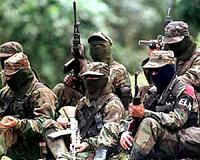
Under the peace deal, the FARC will begin moving its estimated 7,000 fighters from their jungle and mountain hideouts into disarmament camps set up by the United Nations.
The FARC will then become a political party and its weapons will be melted down to build three peace monuments.
Special courts will be created to judge serious crimes committed during the conflict.
The British-drafted resolution provides for the cost of the new mission to be shared equally between the Colombian government and the United Nations and stresses the need to speed up the deployment of the observers.
"With this resolution, the UN can now complete operational planning for its monitoring and verification role, which will be critical to the agreement's implementation," said US Ambassador Samantha Power.
Colombian Ambassador Maria Emma Mejia told the council that the peace accord was already bearing fruit, with a first group of 13 minors leaving rebel camps and handed to the Red Cross this month to begin new lives.
"Colombians will have the opportunity to open the door to a better future, with a stable and lasting peace that we will have built with the support of the Security Council and the United Nations," she said.
More than 260,000 people died in the decades-old conflict that also drove 6.8 million people from their homes.
