
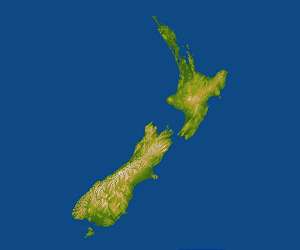
The United States and New Zealand pledged Thursday to look for ways to cooperate more closely and turn the page on a 25-year dispute over nuclear weapons.
Senior US diplomat Kurt Campbell, who visited New Zealand last month, said the two nations' relationship was "profoundly underperforming" as they saw eye-to-eye on most issues from climate change to Afghanistan.
New Zealand declared itself nuclear-free in 1986 and refused entry to US nuclear ships. In response, the United States suspended defense obligations under a three-way treaty with Australia, calling New Zealand a friend but not an ally.
While acknowledging that differences persisted on nuclear weapons, Campbell said: "We've put that issue aside and we are focusing now on the issues that are most important for us as we move forward."
"The United States and New Zealand currently are the closest possible friends," he said.
"I can tell you, quite honestly, the United States and New Zealand see the world in such similar terms — in fact in many respects much closer than some countries that would be described as formal allies — in the current environment," he said.
Campbell, the assistant secretary of state for East Asian and Pacific affairs, was speaking at the launch of a study by the Center for Strategic and International Affairs to find ways to expand ties between the two countries.
Mike Moore, New Zealand's ambassador to the United States, voiced support for the study due out in February 2011, saying: "There is much more we could do and should be doing together."
"I'm not saying things have moved away, but they have moved forward," Moore said of the nuclear issue.
"Our relationship should develop by design, by deliberate strategy and in a thoughtful way," he said.
Share This Article With Planet Earth
