
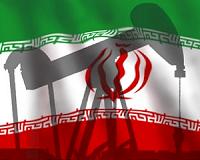
The United States will exempt China, India and Japan from oil sanctions on Iran, Secretary of State Mike Pompeo said Monday, while vowing to be "relentless" in pressuring Tehran.
Hours after sweeping sanctions were reimposed following the US withdrawal from a denuclearization deal, Pompeo said eight countries would be at least temporarily exempt from the ban on buying Iranian oil due to special circumstances or so as not to disrupt energy markets.
The countries with the waivers will be China, India, Italy, Greece, Japan, South Korea, Taiwan and Turkey, Pompeo said.
"Our objective is to starve the Iranian regime of the funds it uses to fund violent activity throughout the Middle East and around the world. Our ultimate goal is to encourage them to abandon their revolutionary course," Pompeo told reporters.
A notable omission was Iraq. Had Iraq been granted a waiver, Iran might have been able to skirt sanctions by mixing its crude with its neighbor's output, analysts say.
President Donald Trump withdrew in May from the deal that his predecessor Barack Obama had reached with Iran, calling it a failure because it addressed only the clerical regime's nuclear program.
Pompeo reiterated demands for Iran to make a "180-degree turn" from its regional policies rooted in the 1979 Islamic revolution, such as support for the Lebanese militia Hezbollah.
"We hope a new agreement with Iran is possible, but until Iran makes changes in the 12 ways I listed in May, we will be relentless in exerting pressure on the regime," Pompeo said.
Pompeo said the eight countries exempted have "already demonstrated reduction of Iranian crude over the past six months and, indeed, two of those eight have already completely ended imports of Iranian crude and will not resume as long as the sanctions remain in place."
"We continue negotiations to get all of the nations to zero," he said.
Pompeo also said without specifying that the United States would exempt three non-proliferation projects underway in Iran from the sanctions.
European powers have strongly disagreed with Trump's decision, pointing out that Iran is abiding by the nuclear agreement, and have looked to create ways to allow its businesses to keep up commerce with the country.
Iran nuclear deal: from US walkout to fresh sanctions
Tehran (AFP) Nov 5, 2018 –
The United States last May abandoned a 2015 deal between Iran and major powers aimed at halting Tehran's nuclear ambitions in exchange for an easing of sanctions.
Washington reimposed a first wave of sanctions on the Islamic republic in August, with a second coming into force on Monday that targets its crucial oil industry and banking sector.
Here are the key developments since the dramatic walkout:
– US quits –
President Donald Trump on May 8 pulls the United States out of the hard-won nuclear pact between world powers and Iran, calling it "defective at its core".
The move heralds the reinstatement of US sanctions on Iran and companies with ties to it. Washington warns other countries to also end trade and investment in Iran and to stop buying its oil, or face punitive measures.
It says sanctions will take effect immediately for new contracts and gives foreign companies an additional 90 to 180 days to end existing trade with Iran.
But other parties to the deal — Britain, France, Germany, Russia and China — insist Iran has abided by its commitments and say they are determined to save the agreement.
– Enrichment threats –
Iranian President Hassan Rouhani warns Tehran could halt the nuclear curbs it agreed in the deal and restart increased uranium enrichment "without limit", but calls on the remaining parties to save the accord.
Washington warns on May 21 that Iran will be hit with the "strongest sanctions in history" unless it capitulates to a series of demands aimed at curbing its missile programme and interventions around the Middle East.
– Five powers back deal –
A top US official says on July 2 that Washington is determined to force Iran to change behaviour by cutting its oil exports to zero, confident the world has enough spare crude capacity to cope.
On July 6, Tehran's five remaining partners in the nuclear accord vow to back "the continuation of Iran's exports of oil and gas".
On July 16, EU countries reject the US demand that they economically isolate Tehran and they move to give European firms legal cover to operate in Iran.
A day later, European sources say the US has dismissed requests to spare EU firms from sanctions penalties.
– War of words –
On July 22, Rouhani warns the United States that any conflict with Iran would be the "mother of all wars".
Trump responds with an all-caps Twitter tirade telling him to stop making threats "OR YOU WILL SUFFER CONSEQUENCES".
On July 30, however, Trump says he is ready to meet Iranian leaders "anytime they want" and promises "no preconditions".
– Sanctions, again –
On August 7, Washington reimposes a first set of sanctions on Iran that involve freezing financial transactions and imports of raw materials, and penalties on purchases in the car and commercial aviation sectors.
Within hours German carmaker Daimler says it is halting its activities in Iran. French energy giant Total and other major international companies follow suit.
– Court confrontation –
The International Court of Justice (ICJ), the UN's top court, orders the United States on October 3 to lift sanctions on humanitarian goods for Iran, saying they breached a 1955 friendship treaty between the two countries.
The following day, Secretary of State Mike Pompeo says Washington is terminating the treaty. There have been no diplomatic relations between the rivals since 1980.
– More sanctions –
A second wave of US sanctions comes into force on November 5, described by Washington as the "toughest" yet. They aim to cut the country's banking sector off from international finance and to slash its exports of oil, its main source of income.
The Iranian president says his country will "proudly bypass" the "illegal, unjust" measures.
