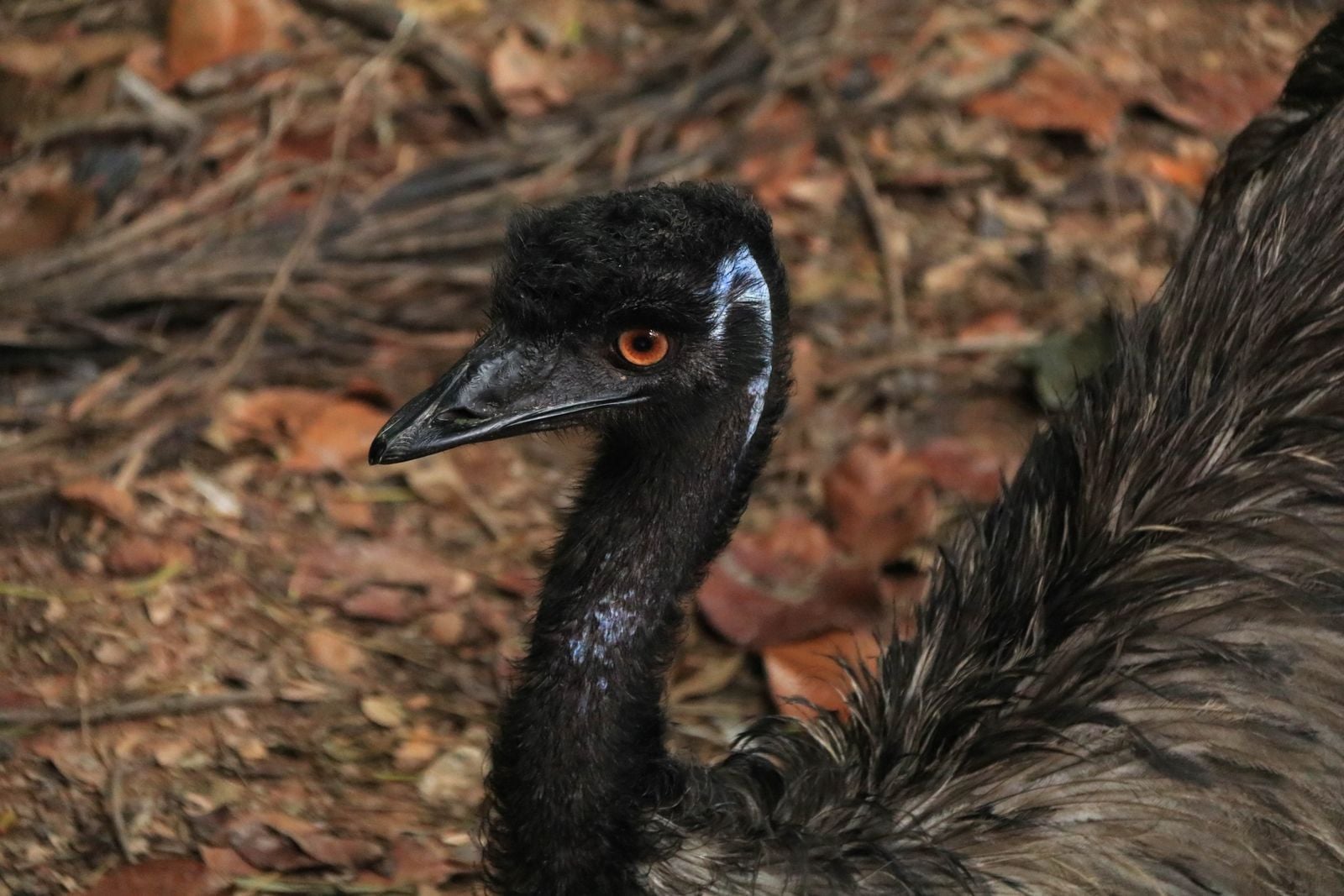
On Bikar Atoll, a coral island in the northern Marshall Islands, sooty terns were raising chicks in 2025 on ground that a year earlier had been overrun with rats. Paul Jacques, the project manager for the nonprofit Island Conservation, returned to the atoll in 2025, a year after a July 2024 aerial bait drop, and described the change as stark: the year before, walking the forest at night with a torch had shown a floor that seemed to move, thick with rats. The rat eradication on Bikar and Jemo Islet, carried out with the Marshall Islands’ Marine Resources Authority and Ministry of Natural Resources and Commerce, used a rodent-specific bait dropped by drone in overlapping lines so that no square metre was missed.
That is the mechanism, in miniature: saturate a defined landmass with a toxin narrow enough to kill every rat but leave crabs, geckos and seabirds largely unharmed, then guard the coastline so nothing swims or stows back in. It is the same playbook New Zealand has scaled up across its offshore islands for more than six decades, and the same one the country’s Predator Free 2050 programme is now trying to extend to the mainland against rats, stoats and Australian brushtail possums — the three predators blamed for pushing ground-dwelling, flightless birds like the kākāpō, a giant nocturnal parrot, to the edge of extinction.
Why the Pacific evolved birds that forgot how to fly
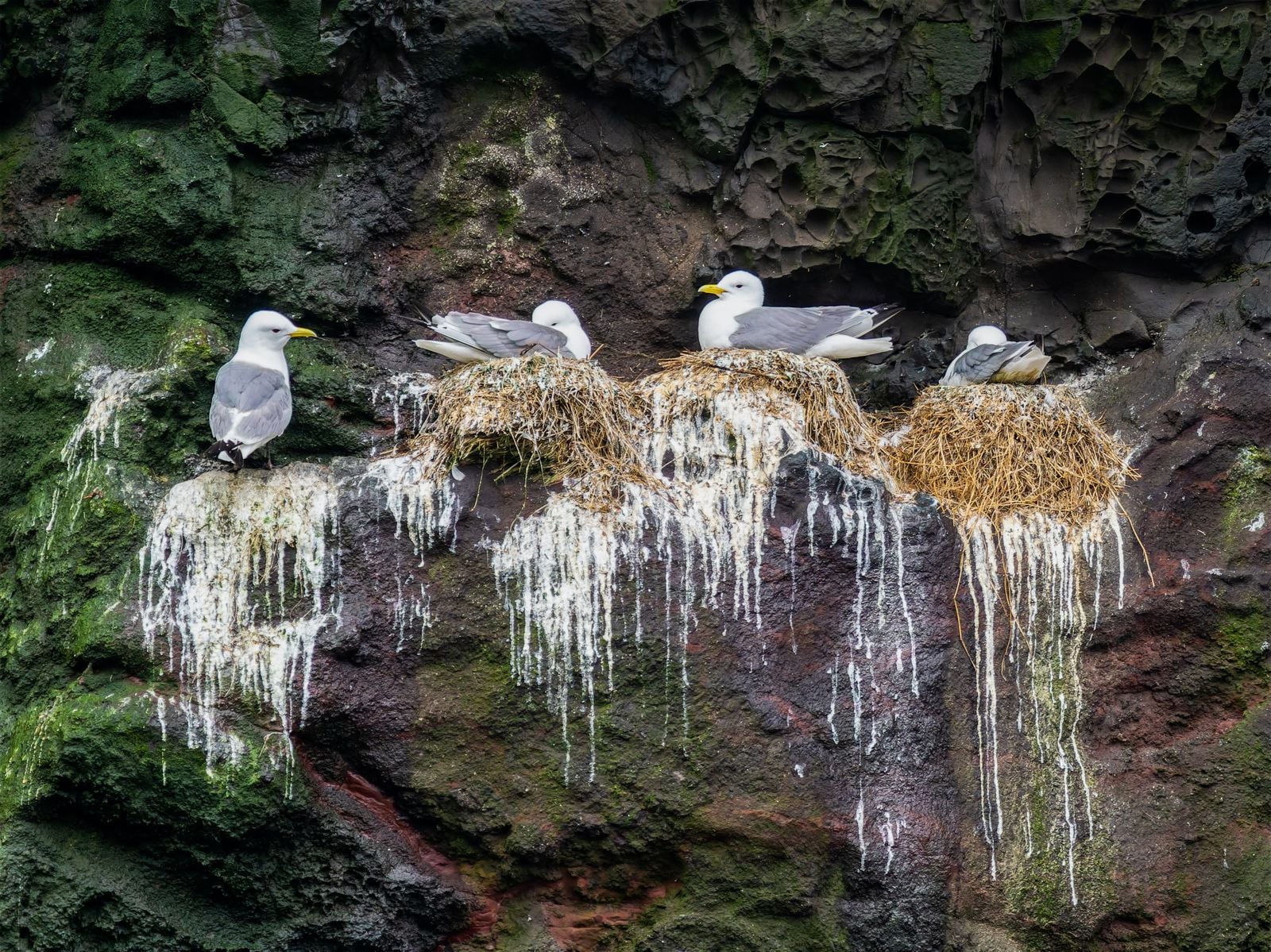
New Zealand split from the ancient supercontinent Gondwana around 85 million years ago, before ground-dwelling mammals had reached that corner of the ocean. The only native land mammals are two small bat species. Birds moved into every niche a rat or a weasel would occupy elsewhere — grazing forest floors, digging burrows, hunting insects at dusk — and many stopped flying because there was nothing on the ground to escape from.
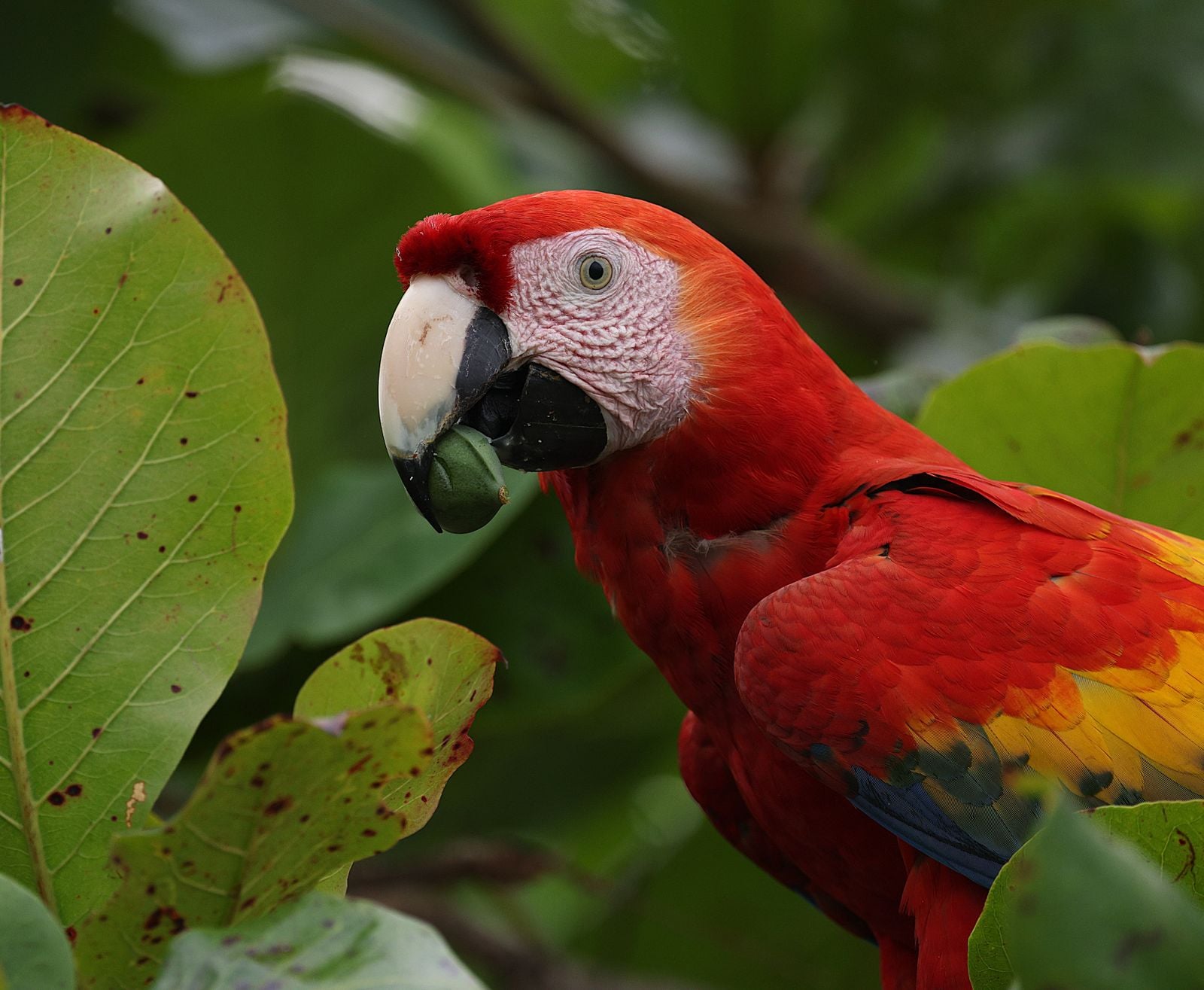
The kākāpō is the archetype of this pattern: a nocturnal, moss-green parrot that can weigh four kilograms, climbing trees with its beak and booming a mating call audible for kilometres across a valley.
When Māori settlers arrived roughly 700 years ago with kurī dogs and kiore, the Pacific rat, and then again when Europeans arrived from the 1800s with ship rats, stoats, weasels, ferrets, cats and possums, ground-nesting and flightless birds had no defences. More than 40 percent of New Zealand’s terrestrial bird species are now extinct, and the country holds the highest proportion of at-risk native species of any nation on Earth, according to reporting on the Predator Free 2050 programme.
What the bait actually is, and why it works on islands
The tool that made island eradication possible is a rodenticide called brodifacoum, an anticoagulant that a rat needs to eat only once. The catch is that a single missed rat, pregnant, can repopulate an island within a couple of years. That is why bait densities are calculated so aggressively: on Bikar and Jemo, coverage was designed so every rat’s territory overlapped with several pellets.
Islands are the ideal geometry for this. A rat cannot swim dozens of kilometres of open ocean, so once the last one is gone — and biosecurity keeps visiting boats clean — the population stays at zero. Invasive species are responsible for the large majority of recorded island extinctions, roughly 90 percent according to a 2023 assessment by the Intergovernmental Platform on Biodiversity and Ecosystem Services, but eradication campaigns like this one have proven to be one of the most effective conservation tools available, as reporting on the Bikar and Jemo restoration notes.
On the mainland, the equivalent aerial toxin is sodium fluoroacetate, known as 1080, dropped from helicopters over forest catchments. It kills possums and rats effectively but has drawn steady criticism because it can also poison native birds in rare cases. A 2013 Mongabay report on a proposed 1080 drop over habitat of the critically endangered Archey’s frog captured the tension neatly: conservationists split between those who see the poison as the only fast tool available and those who fear collateral damage to the species it is meant to protect.
The kākāpō comeback, counted bird by bird
By the mid-1990s, the kākāpō population had collapsed to just 51 birds. Every survivor was given a name, a transmitter and a file, and the entire population was moved to a handful of predator-free islands — Whenua Hou (Codfish Island), Anchor Island and Hauturu/Little Barrier Island — where rats and stoats had been eradicated and biosecurity was tight enough that dogs sniff every visiting boat.
Kākāpō breeding is tied to the intermittent mass fruiting, or masting, of the rimu tree, their preferred food, which happens roughly every two to four years. Recovery has come in surges timed to those mast years: the population reached a previous high of 252 in 2022, and a bumper 2026 rimu mast triggered the biggest breeding season on record, adding 90 chicks and pushing the population past 300 for the first time in about 75 years, to 325 birds, according to the Department of Conservation and RNZ. It once took the recovery programme sixteen years to add ninety chicks; the 2026 season did it in one.
The species remains one of the most intensively managed birds on Earth — every living kākāpō is genotyped and radio-tracked, and rangers still weigh chicks and hand-rear the weakest in years when the rimu fails to fruit. But the programme has begun deliberately stepping back from some of that intervention as numbers climb, a small sign that a bird once functionally extinct now has enough individuals to spare.
Traps that text, and fences a third shorter
The 2050 target — a mainland free of rats, stoats and possums — requires tools that go beyond a single aerial bait drop. New Zealand still has an estimated 30 million possums, many in terrain too steep to walk trap lines through daily.
So the traps have gotten smarter. The AT220, a self-resetting possum trap now used by the Department of Conservation, can kill up to 100 animals on a single bait and battery charge before it needs servicing, and traps developed by the research group Zero Invasive Predators can now report over the mobile network when they fire — a change one conservation manager credited with cutting labour costs by roughly 90 percent.
Predator-proof fences have also evolved. Researchers have found that fences can be built as low as 1.1 metres — roughly two-fifths shorter than the long-standing 1.8-metre standard — while still keeping stoats out, provided the design includes fine mesh and a curved top hood. Lower fences cost less per kilometre and become plausible around farms rather than only around isolated reserves.
Why islands come back so fast — and how fast they can slip back
When field teams returned to Bikar in 2025, the most visible sign of recovery was not a bird at all. It was seedlings. Thousands of young Pisonia grandis trees — a species whose sticky seeds are spread by seabirds and whose seedlings rats devour — had sprouted across monitored plots on the forest floor where the count a year earlier had been zero, according to Island Conservation’s own account of the restoration.
The recovery cascades outward from there. Seabird colonies fertilise island soil with guano; on rat-free islands, seabird densities and nitrogen deposition run hundreds of times higher than on infested ones, according to a 2018 study in Nature, and that extra nitrogen leaches into the surrounding reef, where the same study found close to 50 percent greater fish biomass and sharply higher rates of grazing and reef-building around rat-free islands than around infested ones.
On Jemo, terns and noddies were nesting on open ground for the first time in living memory, seabird species never previously recorded on the atoll turned up, and geckos and land crabs that had been undetectable in 2024 reappeared within twelve months.
Biosecurity is the unglamorous half of the story. Every vessel visiting Bikar undergoes rodent checks, and on New Zealand’s offshore sanctuaries dogs are trained to detect rat scent on cargo, with traps set at every landing point as a permanent tripwire.
Reinvasion is not hypothetical. A single ship rat that swims a few hundred metres from a moored boat can undo a decade of work. Automated monitoring systems, such as sensor pads that identify species from footprints, are being developed so rangers can respond before a founder population establishes.
The mainland version of this problem is enormous by comparison. The early wins have come mostly from peninsulas and fenced sanctuaries, where geography does some of the work; rolling the same approach out across steep, forested catchments is a fundamentally different, and far more expensive, problem.
Why this matters beyond the Marshall Islands
Predator eradication belongs to a broader pattern of small, geographically contained places using disciplined engineering to produce outsized results — the same logic behind Singapore’s NEWater program, which now meets roughly 40 percent of the city-state’s water demand through advanced wastewater recycling, according to Singapore’s National Library Board. The islands are small enough to seal, the tools are cheap enough to deploy at scale, and the ecological rebound is fast enough to be measured within a single field season.
Feasibility studies are now underway for Bokak Atoll, another rat-infested Marshall Islands site inside a marine protected area. If it works there, the same drone-and-bait method scales across the northern Pacific, where hundreds of small uninhabited islands host — or once hosted — seabird colonies that anchor entire reef food webs.
The kākāpō will probably never live outside a managed programme in the lifetime of anyone reading this. But its birds now sleep in burrows on islands where a rat has not been seen in decades, and where a booming male’s call carries across a valley the way it did before Cook’s botanist wrote his journal entry about the deafening dawn chorus. On Bikar, the ground shifted again at night in 2025 — not with rats, but with hatchling terns finding their feet in the dark.