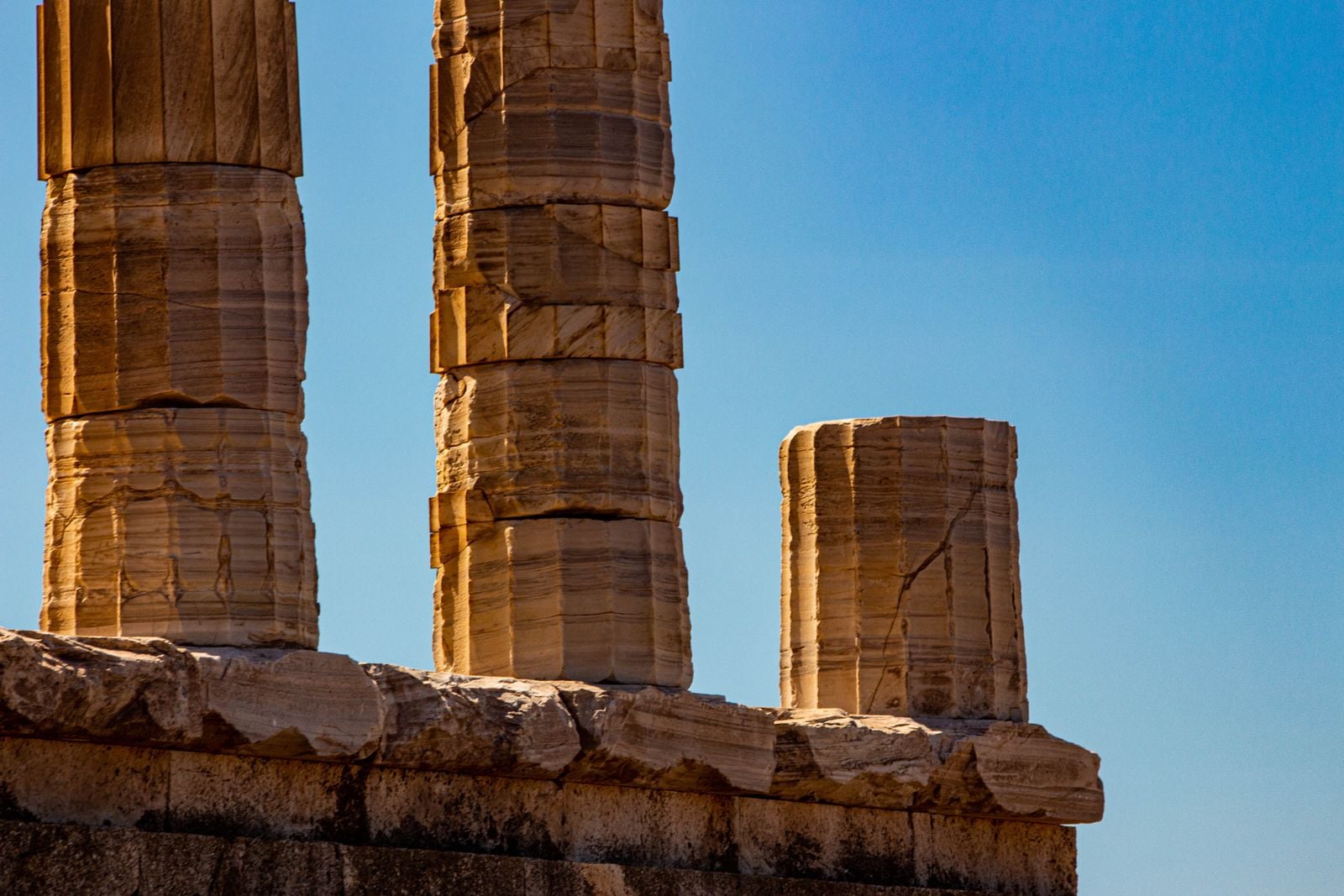
Göbekli Tepe was built by hunter-gatherer communities on a limestone ridge above the Harran Plain in southeastern Türkiye between about 9600 and 8200 BCE. They cut T-shaped pillars from the adjacent bedrock with flint and other stone tools, moved them no more than a few hundred metres using human power and probably timber sledges or tracks, then raised them inside carefully planned buildings. The largest excavated central pillars stand about 5.5 metres high and weigh roughly 8 to 10 tonnes each, while Stonehenge’s central stone settings came about 6,000 years later.
None of the technologies missing from this world was essential to the work. Pottery could not cut stone, metal was not required to shape limestone, and wheels were unnecessary for a journey measured in hundreds of metres rather than hundreds of kilometres. What the builders needed was local rock, sharp flint, timber, leverage, measuring cord, food and enough people willing to work together.
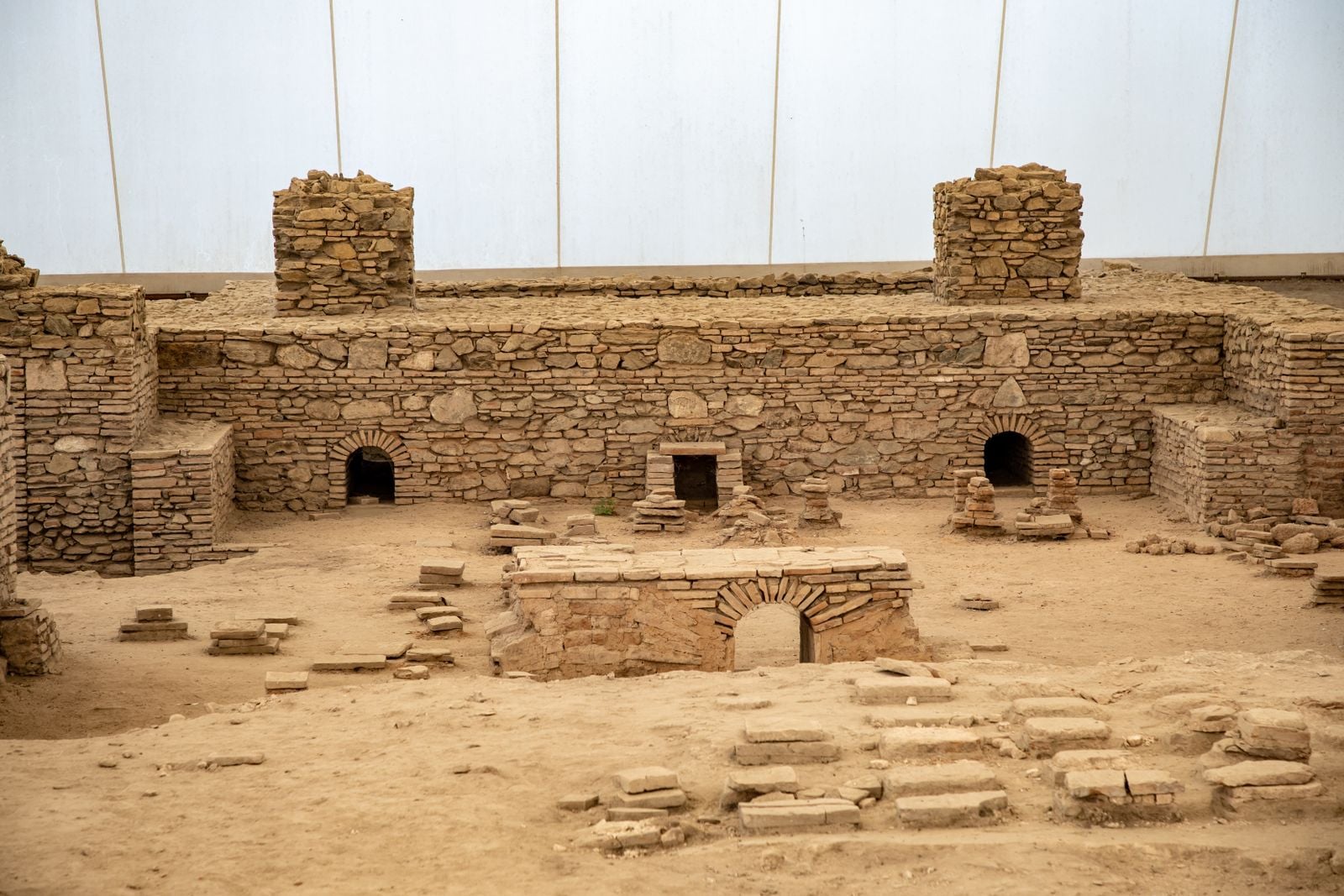
The site is often described as a sanctuary, but that label is now too narrow. Excavators currently interpret Göbekli Tepe as a settlement with a pronounced ritual component, containing both monumental communal buildings and evidence that people lived, prepared food and buried their dead on the hill.
The answer was under their feet
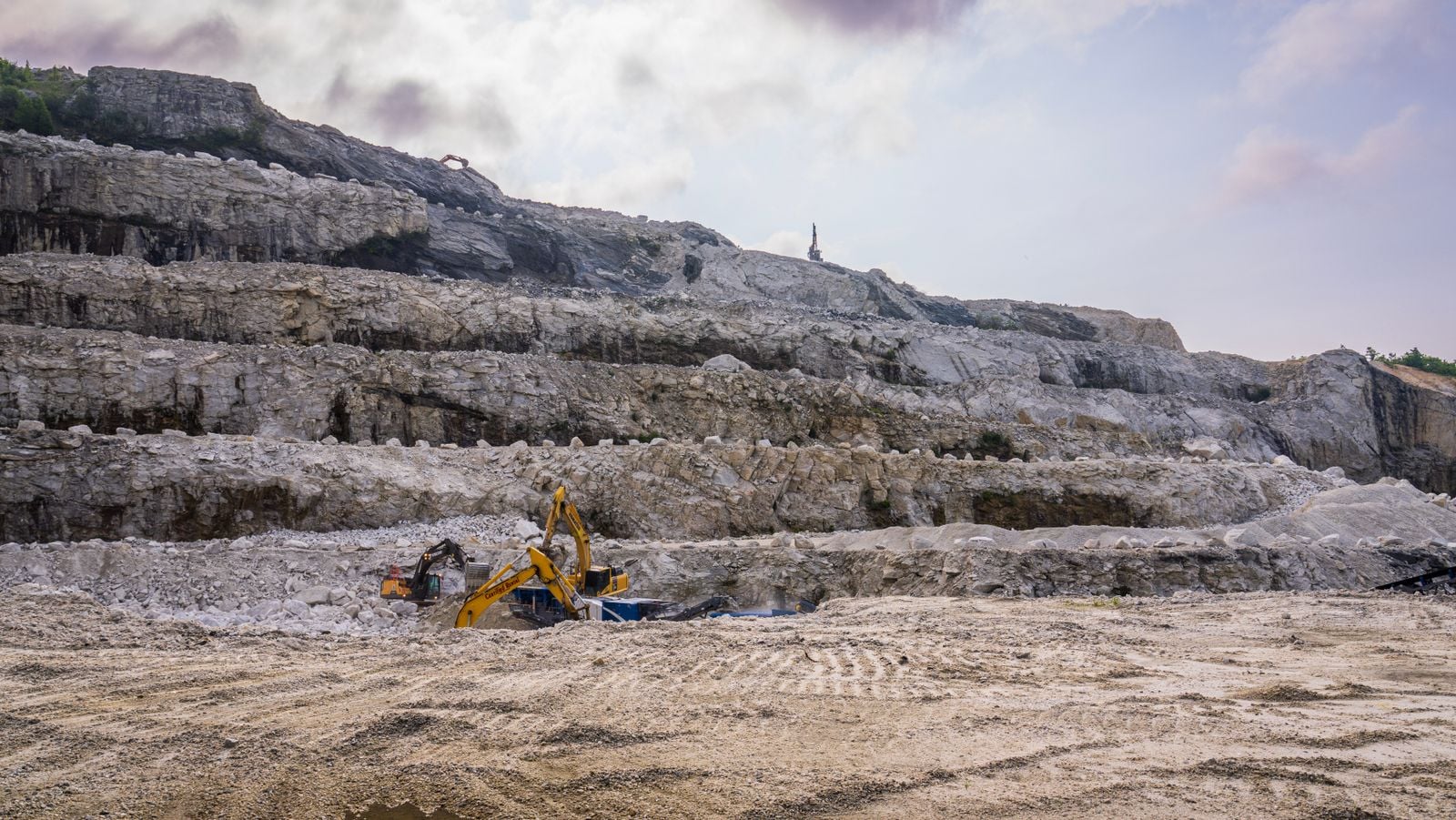
Göbekli Tepe stands on the material from which it was made. The surrounding plateau consists of bedded limestone divided by natural fault lines, allowing quarry workers to isolate a pillar by cutting channels around its outline rather than tunnelling beneath the entire block.
The limestone is not especially soft by limestone standards. It is hard and crystalline, but it can still be pecked, cut and ground with flint. Archaeologists have identified quarry scars and unfinished pieces showing how workers outlined the desired form before using wooden beams or wedges to free it along a natural break in the rock.
One unfinished T-shaped pillar remains in a quarry on the western plateau. At roughly seven metres long, it would have been larger than the central pillars that were successfully erected, but a flaw in the stone or the scale of the task may have caused the builders to abandon it.
The mound visible today accumulated over roughly fourteen centuries. Builders repaired structures, removed walls, shifted pillars, reused stone and added new layers of construction and fill until the limestone ridge became an artificial hill of architecture, rubble and discarded material.
Moving ten tonnes without a wheel
No Neolithic sledge, hauling rope or prepared transport track has survived at Göbekli Tepe. Sledges and wooden planks are therefore informed archaeological inferences, supported by later and ethnographic examples of communities moving megaliths without wheeled vehicles.
The short distance matters more than any imagined lost technology. Quarry locations range from less than 100 metres to about 500 metres from the mound. Moving a heavy pillar across that ground would still have been dangerous and exhausting, but it did not require a long-distance road, a river crossing or draft animals.
Raising the stones posed a separate challenge. In several buildings, the central pillars were fitted into pedestals or sleeves cut directly into the bedrock floor. Earthen ramps, timber levers and plant-fibre ropes offer plausible ways to tilt a pillar into position, although excavators cannot reconstruct one definitive sequence from the surviving evidence.
The number of workers is equally uncertain. Researchers conclude that construction required more people than normally belonged to a single mobile foraging group, but the evidence does not support precise claims about a crew of a particular size finishing a pillar in a fixed number of days. Coordination, not an unknown machine, was the decisive technology.
Geometry before domesticated grain
The largest round and oval buildings place two tall central pillars inside rings of smaller pillars and stone walls. Some floors were smoothed directly from the bedrock, while another was made from a lime-based surface resembling terrazzo.
Gil Haklay and Avi Gopher analysed the plans of Buildings B, C and D and found that points between their central pillars lie close to the vertices of an equilateral triangle about 19.25 metres on each side. Their geometric study calculated a distortion of less than 1.5 percent and showed how the pattern could have been marked with cord and stakes.
The finding supports intentional measurement and planning, but it does not prove that the whole mound was designed at once or that a class of professional architects controlled the work. It identifies a geometric relationship in three buildings and presents an argument about how closely their construction may have been coordinated.
The site itself resists a single frozen blueprint. Its visible structures are the product of centuries of building, alteration, repair, filling and reuse. The geometry was deliberate, but it existed inside a landscape that kept changing.
The builders lived there, and gathered there
The people responsible were hunter-gatherers living during the Pre-Pottery Neolithic, before fully developed farming economies dominated the region. Earlier interpretations pictured them arriving only for seasonal ceremonies, but discoveries of fire installations, food remains, water-storage features, burials and numerous smaller buildings show that people also inhabited the site.
They ate wild animals and processed plants on a substantial scale. A peer-reviewed analysis of more than 7,000 grinding implements found extensive evidence of cereal processing, including work with wild einkorn, barley and possibly other wild grasses. The evidence does not show that the earliest builders were cultivating fully domesticated wheat.
Large work feasts remain a plausible explanation for how communities assembled and fed the labour needed for construction. A widely cited study of cult and feasting also proposed that stone vessels may have been used to prepare fermented drinks, but brewing at Göbekli Tepe remains an interpretation rather than a settled fact.
The monuments may have formed part of the region’s transition toward cultivation and settled food production. That connection is a research hypothesis, not proof that ritual building caused agriculture. Hunting, plant gathering, settlement, communal work and early food experimentation were unfolding together across Upper Mesopotamia.
The pillars were bodies, not posts
The T-shape represents a stylised human form. On several pillars, the horizontal bar functions as a head, while the shaft carries carved arms, hands, belts and loincloths. The two central figures in each building therefore stood as monumental bodies facing one another.
Animals crowd the surrounding stone. Foxes, snakes, boars, gazelles, birds, scorpions and other creatures known in the Early Holocene landscape appear in low and high relief. Their combinations were probably meaningful, but no surviving text explains whether they represented stories, identities, dangers, guardians or something else entirely.
In 2025, Türkiye’s Culture and Tourism Ministry announced that excavators had found a human statue set inside a wall of Building D. The ministry said it was thought to have been placed there as an offering, adding another human presence to a site whose surviving imagery is otherwise dominated by animals.
The identities of the pillar figures remain unknown. Calling them gods, ancestors or spirits may be tempting, but each label reaches beyond the evidence. Archaeology can recover their carved hands and clothing more confidently than it can recover the names once attached to them.
What remains beneath the hill
The comparison with Stonehenge measures time, not descent. English Heritage dates the construction of Stonehenge’s central stone settings to around 2500 BCE. Göbekli Tepe is roughly six millennia older, but archaeologists have found no direct cultural connection between the two places.
The hill was not necessarily sealed in one deliberate burial ceremony. Current research describes a more complicated sequence involving human dumping during rebuilding, natural slope movement, heavy rainfall or earthquakes and several filling events separated in time. These processes ended around 8000 BCE, but their exact duration and meaning remain unresolved.
Only a small part of the roughly 300-metre-wide mound has been excavated. Ground-penetrating radar and other surveys indicate that numerous additional buildings remain below the surface, while conservators deliberately limit excavation because uncovering archaeology also destroys part of its original context.
Göbekli Tepe is also no longer treated as a solitary exception. The official Taş Tepeler research project connects it with Karahan Tepe, Sayburç and other Neolithic sites across the Şanlıurfa region. Solar Daily has explored other landscapes whose visible surfaces conceal unlikely histories, including Peru’s boiling river and the hidden canyon that preserved the Wollemi pine.
Under Göbekli Tepe’s protective roofs, foxes and birds still emerge from limestone cut before the first written sentence, wheeled cart or metal chisel. More buildings remain in the dark beneath them, their pillars still standing where human hands placed them more than eleven thousand years ago.